Satisfy your wanderlust by exploring the world’s most celebrated wonders with this easy, practical guide.
Planning a journey to the globe’s legendary landmarks often starts with a familiar list—places you have admired in books, documentaries, and endless social media posts. Yet nothing compares to the moment you stand before them in real life. Each wonder carries its own heartbeat, drawing travellers through its history, architectural brilliance, and the sheer determination that brought it to life.
For many, visiting the Seven Wonders of the World is not merely a bucket-list achievement; it is an invitation to experience the stories that shaped entire civilisations. But before you finalise your flights and hotel bookings, it is essential to understand what awaits you at each destination.
From entry fees to visa requirements, here is a straightforward guide to help you plan your trip with confidence and ease.
1. Taj Mahal, Agra
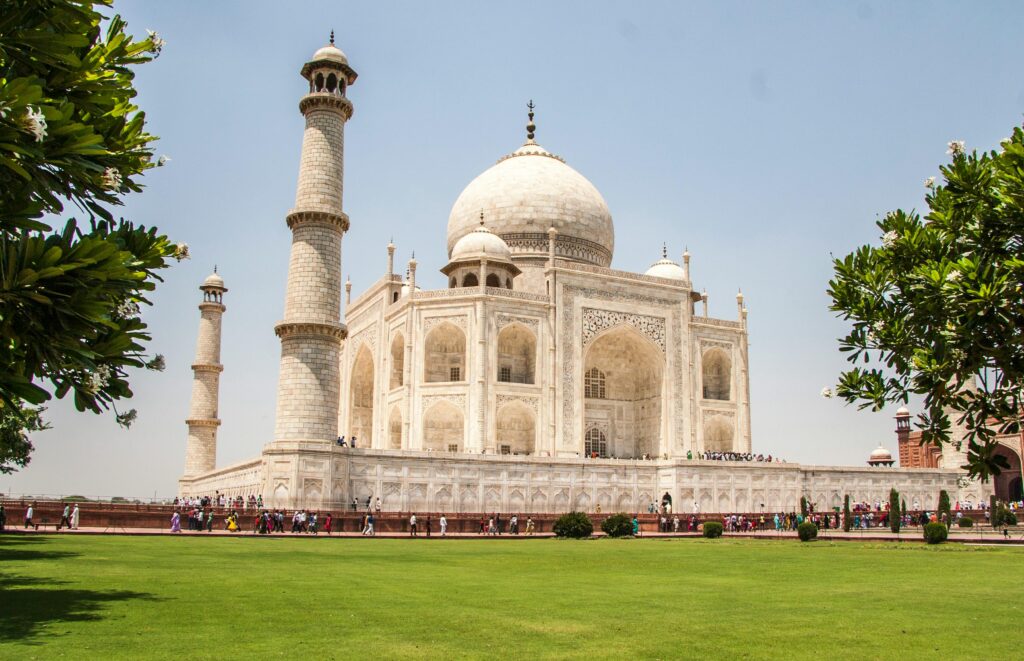
The Taj Mahal, one of the most admired wonders of the world, is a breathtaking white-marble mausoleum commissioned by Emperor Shah Jahan in honour of his wife Mumtaz Mahal. Completed in the mid-1600s, it stands today as an enduring symbol of love, artistry, and Mughal architectural brilliance. At sunrise, its marble glows in soft golden tones, while the surrounding gardens and the serene Yamuna River create a picture-perfect setting that has captivated visitors for centuries.
Ticket Prices
Indian Nationals: Entry begins at Rs 50, with additional charges applicable for accessing the main mausoleum or selected entry gates.
Foreign Tourists: Tickets for international visitors start at Rs 1,100. It is advisable to check the latest rates on the Taj Mahal’s official portal before planning your visit.
How to Reach the Taj Mahal
Agra is easily accessible from major cities. Travellers can fly directly to Agra or take a convenient train or bus from Delhi-NCR, which typically takes a few hours. Upon arrival in Agra, local transport options such as taxis and auto-rickshaws are readily available to take you to the monument’s entrance. The city is well connected by road and rail, making the journey smooth and straightforward.
2. Colosseum, Rome (Italy)
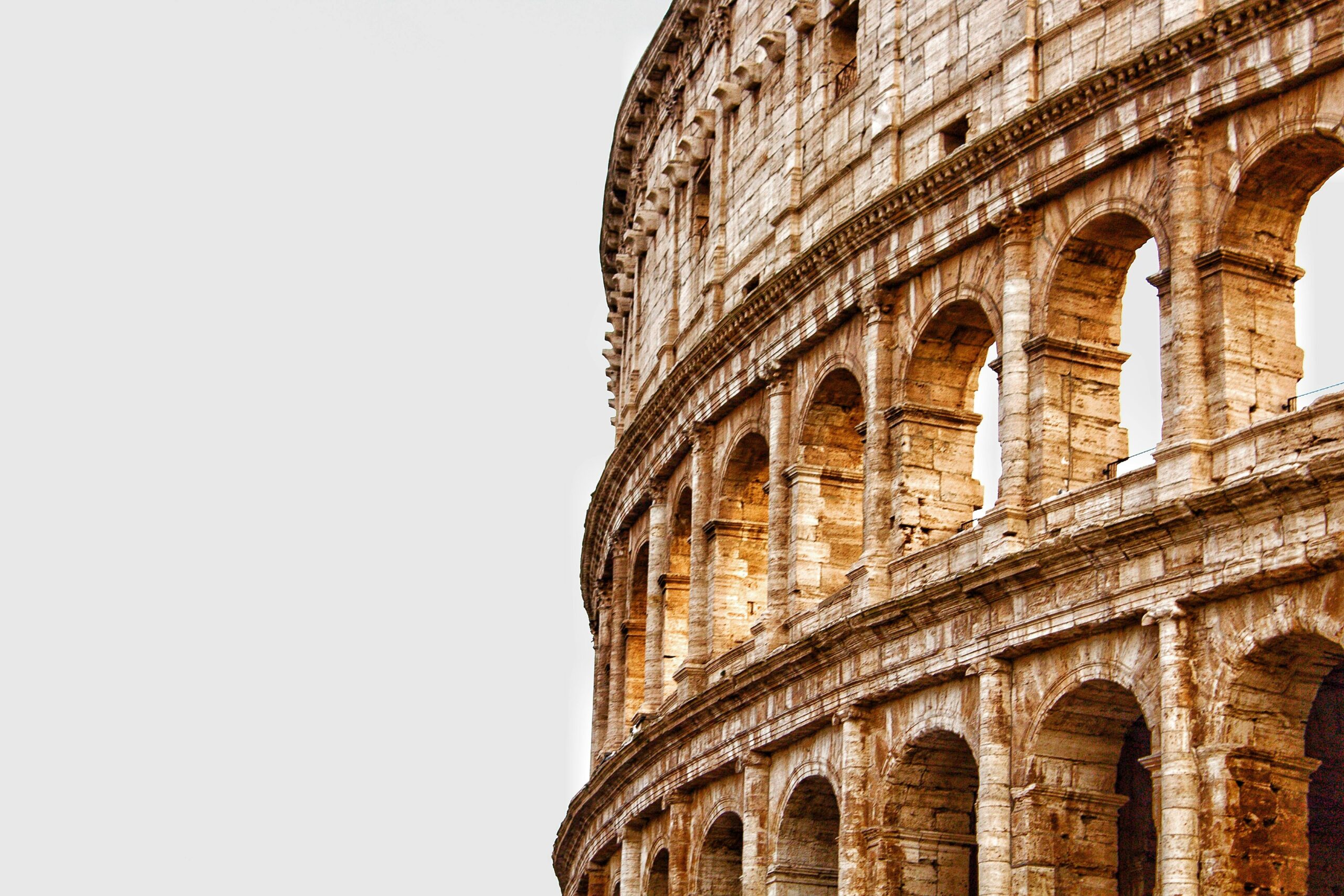
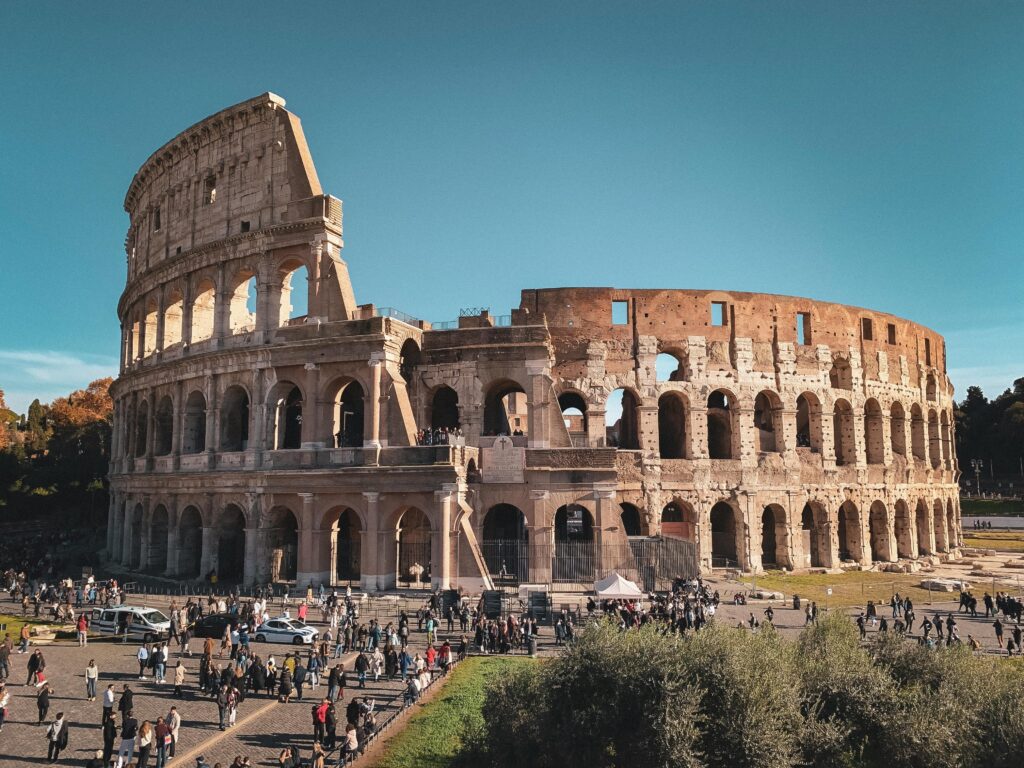
The Colosseum, located in the heart of Rome, stands as one of the most iconic remnants of ancient civilisation. Constructed in the first century CE at the height of the Roman Empire, it served as the grand stage for public spectacles—gladiatorial contests, dramatic reenactments, and even complex naval battle simulations. Although parts of the amphitheatre have weathered over time, its towering arches and vast oval structure still dominate Rome’s landscape, offering a powerful glimpse into a culture that profoundly influenced Western history.
Ticket Prices
A standard adult ticket, which includes entry to the Colosseum, Roman Forum, and Palatine Hill, typically costs around €16, plus a small booking fee. In Indian currency, this generally ranges between Rs 1,400 and Rs 1,600 depending on the exchange rate at the time.
Visa Requirements and How to Reach
Indian travellers will need a valid Schengen visa to visit Italy. Upon arrival in Rome, reaching the Colosseum is simple—take the metro to Colosseo station, or use the city’s extensive bus and tram network. From there, it is a short walk to the monument’s main entrance.
Best Time to Visit the Colosseum
Plan your visit in spring (April–June) or early autumn (September) for comfortable weather and lighter crowds compared to peak summer. Early mornings and late afternoons are ideal for photography and offer a more relaxed experience away from the busiest visitor hours.
3. Great Wall Of China, China
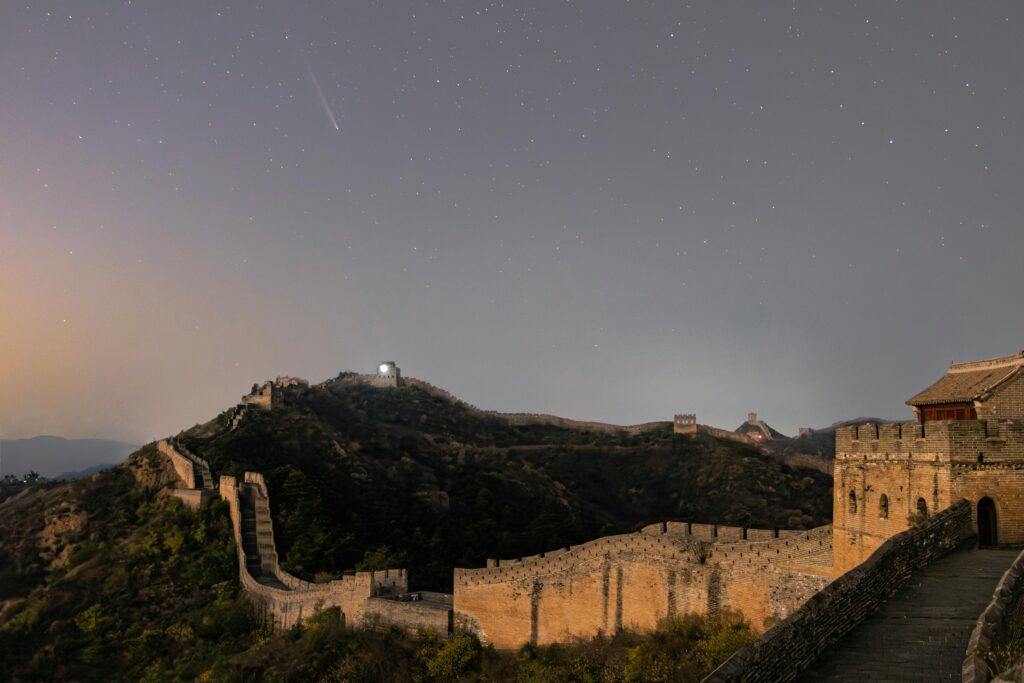
The Great Wall of China stretches dramatically across the northern landscape, forming one of the most remarkable defensive systems ever created. Built and rebuilt over many dynasties, it winds over mountain ridges, deep valleys, and rugged terrain. Walking along the Wall feels like travelling through centuries of history—each brick representing the labour, strategy, and resilience of ancient empires. With panoramic views of rolling hills and fortified watchtowers, the experience combines natural beauty with monumental human achievement.
Ticket Prices
Popular sections near Beijing—such as Badaling and Mutianyu—charge reasonable entry fees in local currency. Costs can vary based on the season and specific section, so it is advisable to confirm current prices through official tourism platforms or authorised ticket counters before your visit.
Visa Requirements and How to Reach
Indian nationals need a Chinese tourist visa to enter the country. Most travellers land in Beijing, from where reaching the Great Wall is straightforward. Public buses, guided tours, and private transfers take approximately 1.5 to 2 hours to reach major access points. Several remote sections can also be accessed through hired vehicles for a more secluded experience.
Best Time to Visit the Great Wall of China
Autumn (September–November) is ideal, offering cool weather, clear skies, and stunning golden foliage. Spring (April–May) is another favourable period, providing pleasant temperatures before the summer crowds arrive. It is recommended to avoid the peak of winter, when snow or rain can make certain routes slippery and difficult to navigate.
4. Machu Picchu, Peru
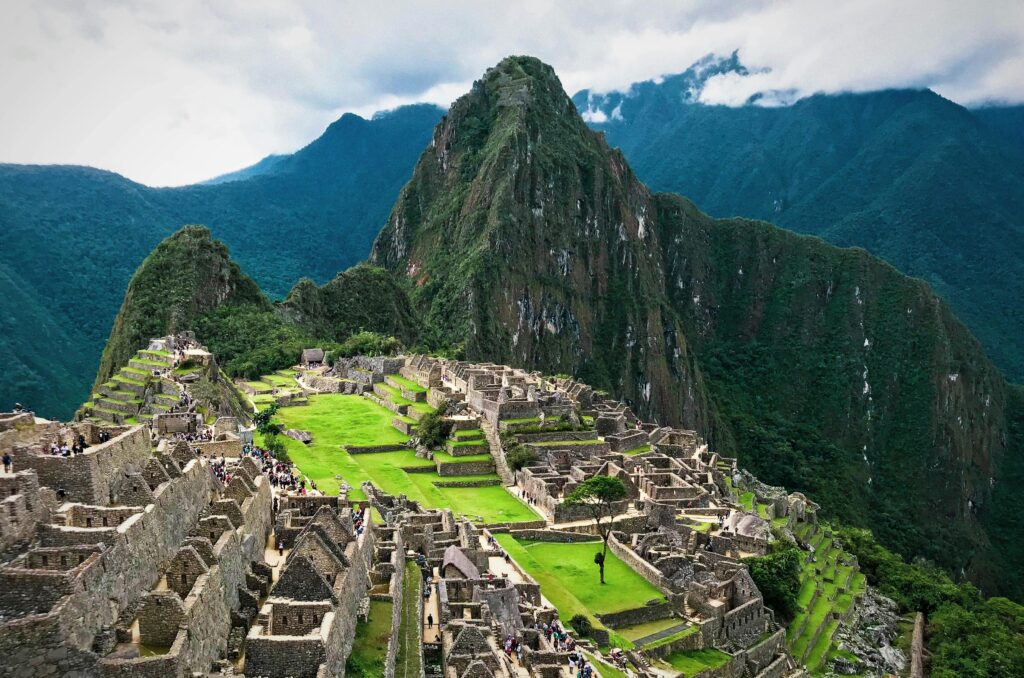
Machu Picchu, the legendary Incan sanctuary set high in the Andes near Cuzco, is one of the world’s most captivating archaeological sites. Hidden from global awareness for centuries, it came into prominence only after its rediscovery in 1911. Visitors today encounter masterful stonework, dramatic terraces carved into steep mountainsides, and sacred temples overlooking vast green valleys. The entire citadel blends the brilliance of Incan engineering with the untouched beauty of its surroundings, creating an atmosphere that feels remarkably otherworldly.
Ticket Prices
Entry for international visitors generally starts at around US $41 (approximately INR 3,600–3,700, depending on exchange rates). Additional charges apply for upgrades such as mountain hikes or extended exploration circuits.
Visa and How to Reach
Indian citizens require a Peru visa to enter the country. Travellers typically fly into Lima, continue onward to Cuzco, and then either take a scenic train or embark on one of the popular trekking routes to Aguas Calientes. From there, a short bus ride transports you directly to the entrance of Machu Picchu.
Best Time to Visit Machu Picchu
The dry season (May to September) offers the most favourable conditions, with clear skies, minimal rainfall, and excellent visibility—ideal for trekking and photography. The months from December to March experience heavy rain and are best avoided. Visiting early in the morning provides a quieter, more enjoyable experience before peak crowds arrive.
5. Petra, Jordan
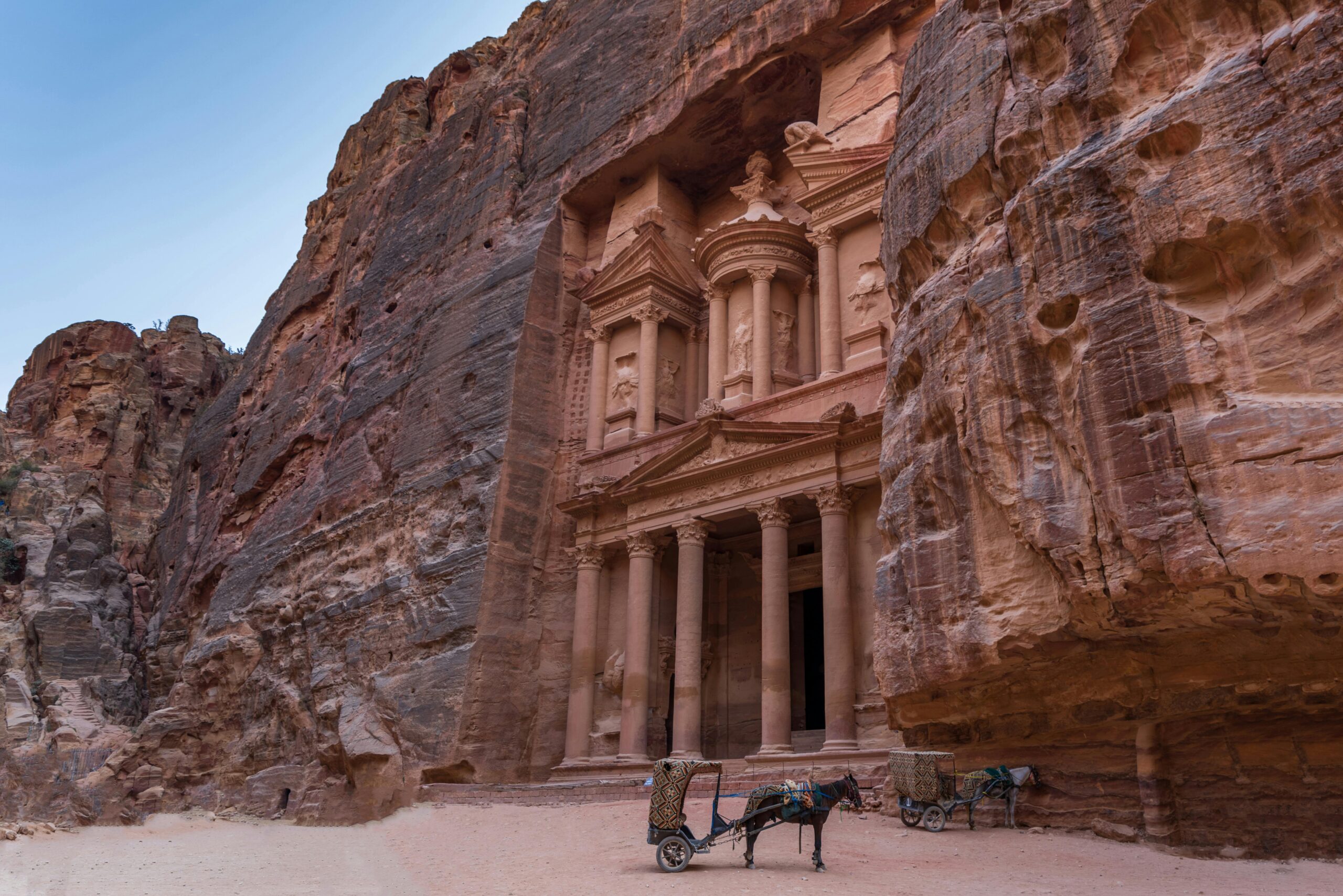
Petra, famously known as the “Rose City,” is a marvel of ancient craftsmanship carved directly into rose-tinted sandstone cliffs deep within Jordan’s desert landscapes. Visitors approach the city through the Siq, a dramatic narrow canyon that opens suddenly to reveal magnificent rock-cut façades, elaborate tombs, and grand temples. The experience feels almost cinematic—like stepping into a long-lost civilisation where traders once led caravans across desert trade routes.
Ticket Prices and Visa for Indians
Ticket rates vary depending on the type of pass you choose—single-day, multi-day, and night visits all come with different pricing. As fees are updated periodically, travellers should refer to Petra’s official tourism website for the latest information.
Indian citizens can obtain a visa-on-arrival in Jordan for short-term leisure travel, making the process relatively straightforward.
How to Reach Petra
Most journeys begin in Amman, Jordan’s capital. From there, Petra is accessible by road via buses, taxis, or pre-arranged tours. Due to the long desert routes and limited public transport options, organised tours or private transfers tend to offer the most convenient and comfortable travel experience.
Best Time to Visit Petra
Spring (March–May) and autumn (September–November) are the ideal seasons, offering pleasant temperatures and clear skies—perfect for walking through the Siq and exploring Petra’s vast archaeological grounds. It is advisable to avoid the intense summer heat and the colder winter evenings, which can make the experience less comfortable.
6. Chichen Itza, Mexico
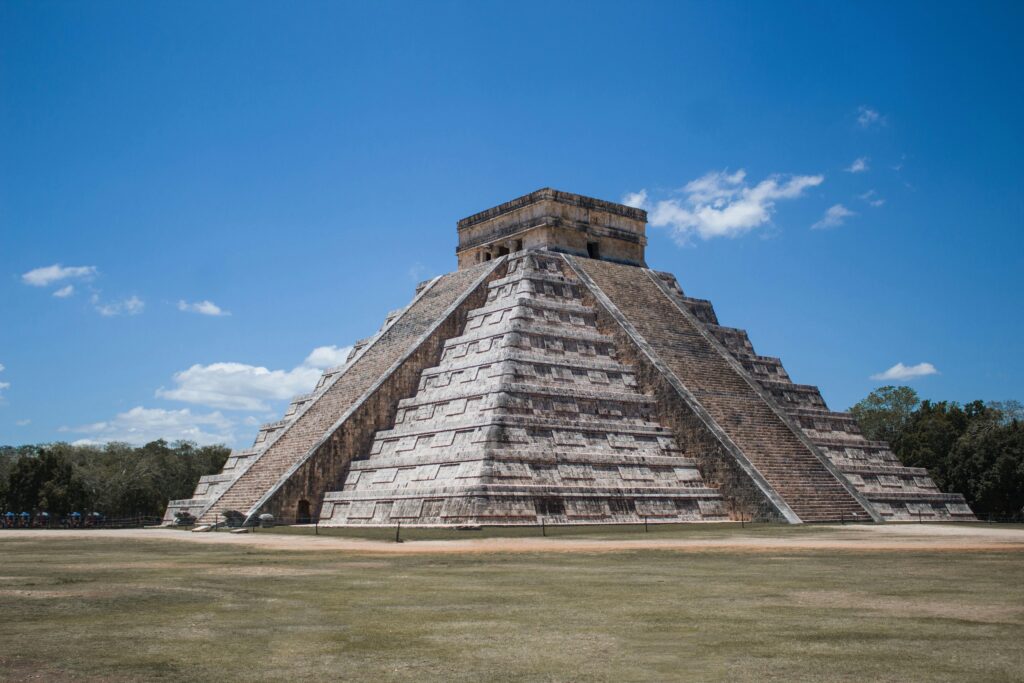
Chichen Itza, located on Mexico’s Yucatán Peninsula, stands as one of the most impressive archaeological legacies of the ancient Maya civilisation. At the centre of the site rises El Castillo, the famed stepped pyramid renowned not only for its striking design but also for its remarkable astronomical precision. The structure aligns perfectly with key solar events, showcasing the Maya’s advanced understanding of time and the cosmos. As you move through the complex, you will encounter expansive ball courts, ceremonial temples, and open plazas that offer a vivid window into a sophisticated culture that flourished many centuries ago.
Ticket Prices and Visa Considerations
Entry fees for international visitors are relatively moderate, though prices may vary depending on the season and local regulations. Indian travellers must obtain a pre-approved visa before entering Mexico, so it is advisable to initiate the application process in advance.
How to Reach Chichen Itza
Most visitors arrive via Cancun or Mexico City before travelling onward to the Yucatán region. From major cities, public buses, guided tours, or private transfers provide easy access to Chichen Itza. Due to the region’s warm and sometimes humid climate, early-morning visits offer the most comfortable experience.
Best Time to Visit Chichen Itza
The winter season (December to February) is ideal, with cooler temperatures and lower humidity levels that make exploration pleasant. The wet season (May to October) brings heavier showers and higher humidity, which may affect outdoor sightseeing.
7. Christ the Redeemer, Rio de Janeiro (Brazil)
Christ the Redeemer rises above Rio de Janeiro from the peak of Mount Corcovado, its outstretched arms symbolising both welcome and protection. Standing 30 metres tall, this Art Deco masterpiece is not only a global religious landmark but also one of the most spectacular viewpoints anywhere in the world. From the summit, visitors are treated to panoramic views of Rio’s sweeping coastline, sparkling bays, forested hills, and dynamic urban skyline—a breathtaking blend of nature and culture.
Ticket and Visa Information
Reaching the monument requires transportation arranged through authorised vans or the popular cog-train from the base of Corcovado. A modest access or entry fee is applicable for visitors. Indian nationals must obtain a valid Brazil tourist visa before travelling.
How to Reach Christ the Redeemer
Most travellers arrive in Rio de Janeiro by international flight. From the city, head to Cosme Velho station, where you can board the cog-train or take official shuttle vans to the top of Corcovado Mountain, where the statue is located.
Best Time to Visit Christ the Redeemer
The dry season, from May to October, offers the best weather—clear skies, mild temperatures, and excellent visibility. Visiting early in the morning or later in the afternoon provides softer lighting for photos and a calmer experience with fewer crowds.