
Asia’s nightlife and music culture is incredibly diverse, with every city offering its own unique rhythm and atmosphere. While many travelers visit Asia for its temples, beaches, and street food, the continent reveals a completely different energy after dark that is often overlooked.
Cities like Tokyo host vibrant underground electronic scenes that continue until the first morning trains arrive. In Seoul, the lively Hongdae area is famous for its all-night clubs, live music, and youthful street culture. Bangkok is known for parties that begin early in the evening and stretch well into the next day, while Bali has become globally recognized for its stylish beach clubs that attract international DJs from nightlife hubs like Berlin and Ibiza.
For travelers who usually end their day before midnight, exploring Asia’s music and clubbing scene can reveal an entirely new side of the region, one that is energetic, creative, and increasingly influential on the global nightlife map.
1. Tokyo: The Underground That Never Sleeps
Tokyo is often considered a dream destination for serious music enthusiasts. The city’s electronic music culture is subtle and deeply rooted rather than flashy. Many of the most respected venues are hidden in basements around areas like Shibuya, Shinjuku, and Shimokitazawa. These spaces are usually small and understated, accessed through quiet entrances and narrow staircases, but inside they feature carefully designed rooms with powerful sound systems focused purely on the music experience rather than the spotlight.
Music culture in Japan is known for its precision and attention to detail, and Tokyo’s clubs reflect this mindset. Sound quality is treated almost like a craft. Venues such as Contact have been widely respected for their finely tuned audio environments, where the sound is balanced so accurately that listeners can feel the music as much as they hear it. Larger venues also play an important role. Womb is a multi-floor club known for its powerful sound system and for hosting internationally recognized electronic artists, while AgeHa became famous for large-scale dance events and festival-style nightlife near the waterfront.
What makes Tokyo’s music culture especially interesting for visitors is its variety. In Shimokitazawa, small jazz bars and intimate live music venues sit alongside modern electronic clubs in Shibuya. Across the city you can find everything from tiny basement stages hosting a handful of musicians to full-scale concert halls with exceptional acoustics. Another unique aspect of Tokyo nightlife is its transportation system: weekend train schedules often run through the early morning hours, allowing people to enjoy music and nightlife until around dawn before catching the first train home. Together, these elements show how deeply music and nightlife are integrated into the rhythm of the city.
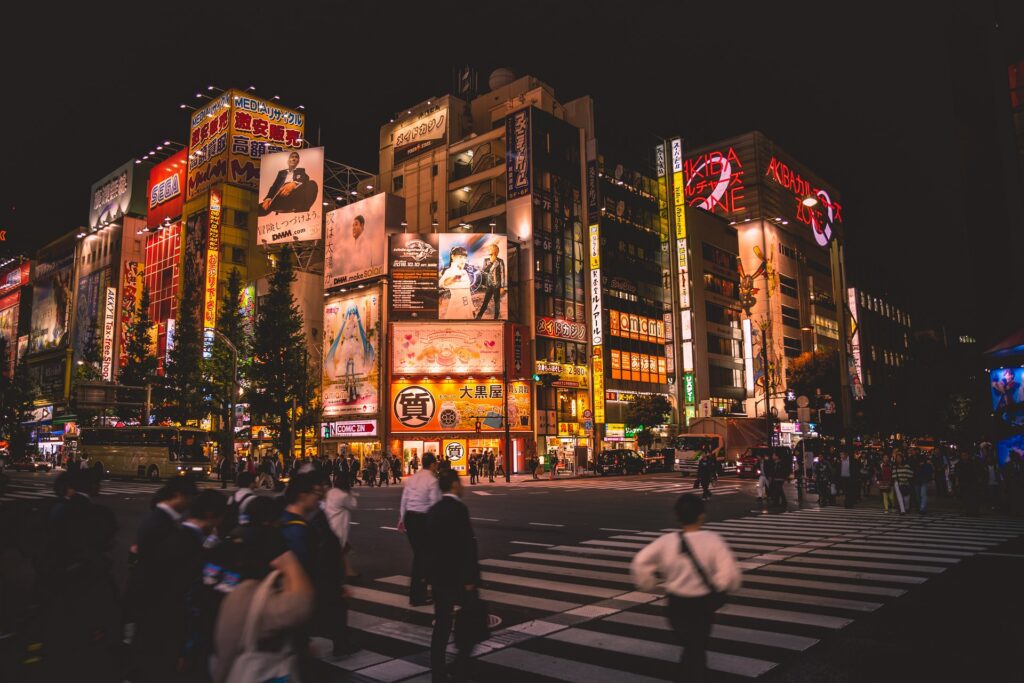
2. Seoul: K-Pop On The Surface, Something Deeper Underneath
Seoul is widely recognized around the world for the influence of K-pop. The Korean entertainment industry has successfully combined music, fashion, choreography, and visual storytelling to create a cultural movement that reaches audiences across the globe. When walking through districts like Gangnam or Hongdae, visitors can see this industry up close through entertainment company headquarters, themed cafés dedicated to pop idols, and stores selling official merchandise.
Beyond the global K-pop spotlight, Seoul also has a vibrant and independent nightlife culture. The area of Hongdae, located near major universities, has long been associated with indie music and underground artistic communities, even before the rise of modern K-pop. The club scene here is known for its smaller venues, relaxed atmosphere, and strong focus on music. Places such as Contra, Soap Seoul, and Cakeshop Seoul have developed solid reputations for hosting innovative electronic music events and attracting crowds that are passionate about the music itself rather than the social spotlight.
This mix of global pop culture and authentic underground music spaces gives Seoul a nightlife identity that is both modern and deeply creative.
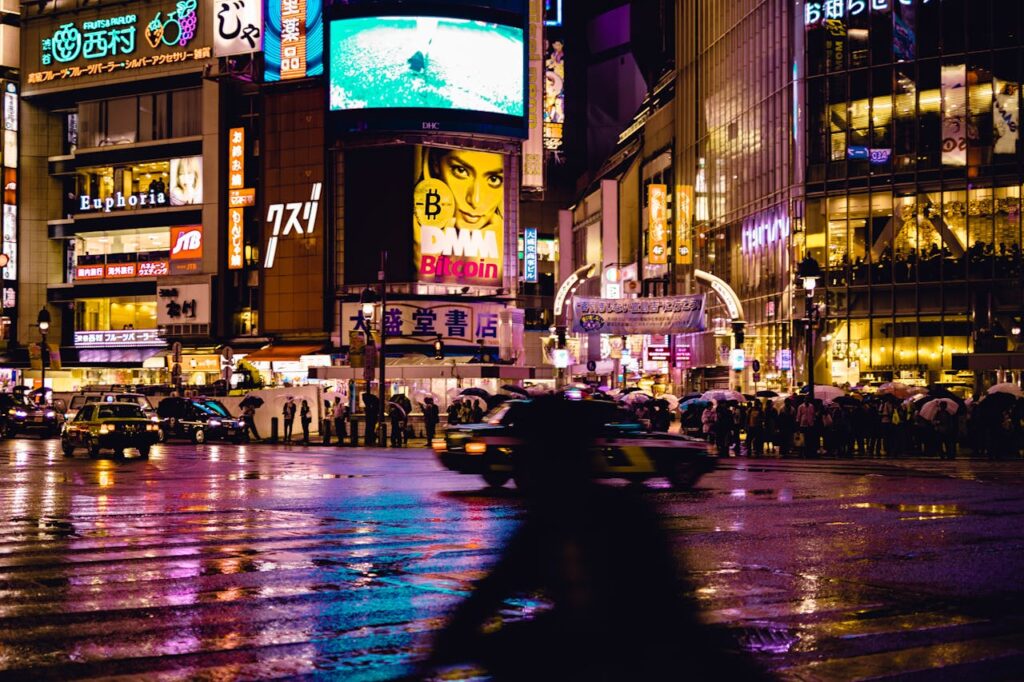
3. Bangkok: The City That Invented The Long Night
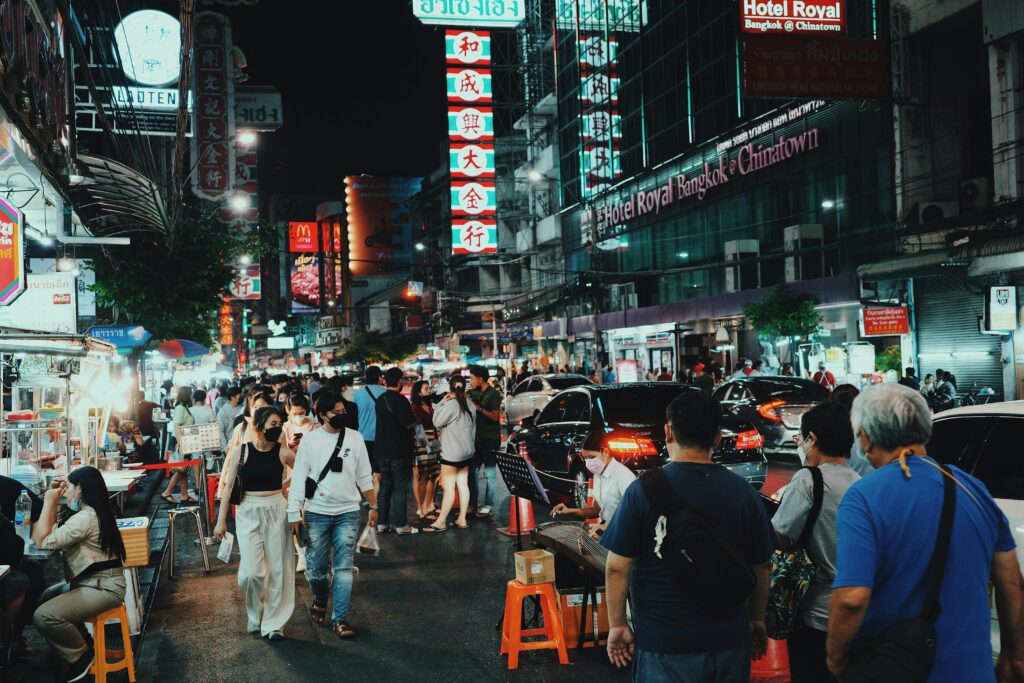
Bangkok is known for an energetic nightlife culture that runs almost nonstop and offers something for every type of traveler. After dark, the city transforms into a mix of experiences, from lively backpacker bars along Khao San Road to stylish rooftop lounges in Sukhumvit that provide impressive views of the skyline. Alongside these well-known spots, visitors can explore night markets, riverside dining venues, jazz bars, and even underground parties held in converted warehouse spaces.
One of the most interesting areas for music lovers is the neighborhood around Ekkamai and nearby Thonglor. This part of the city has developed a reputation for its concentration of creative bars and intimate clubs that attract a more local and artistic crowd rather than the larger tourist groups found in areas like Silom. Venues such as Glow are well known in the electronic music scene, while places like Muse Bangkok and Sing Sing Theater combine music, design, and lively atmospheres to create memorable nightlife experiences.
For many travelers from India, Bangkok is also one of the easiest cities in Asia to experience a vibrant nightlife scene. The city is well-connected by flights, relatively affordable, and known for its welcoming social environment. Another highlight is the food culture late-night dining is part of the experience, with excellent street food and restaurants available even in the early morning hours, making it easy to keep exploring the city long after midnight.
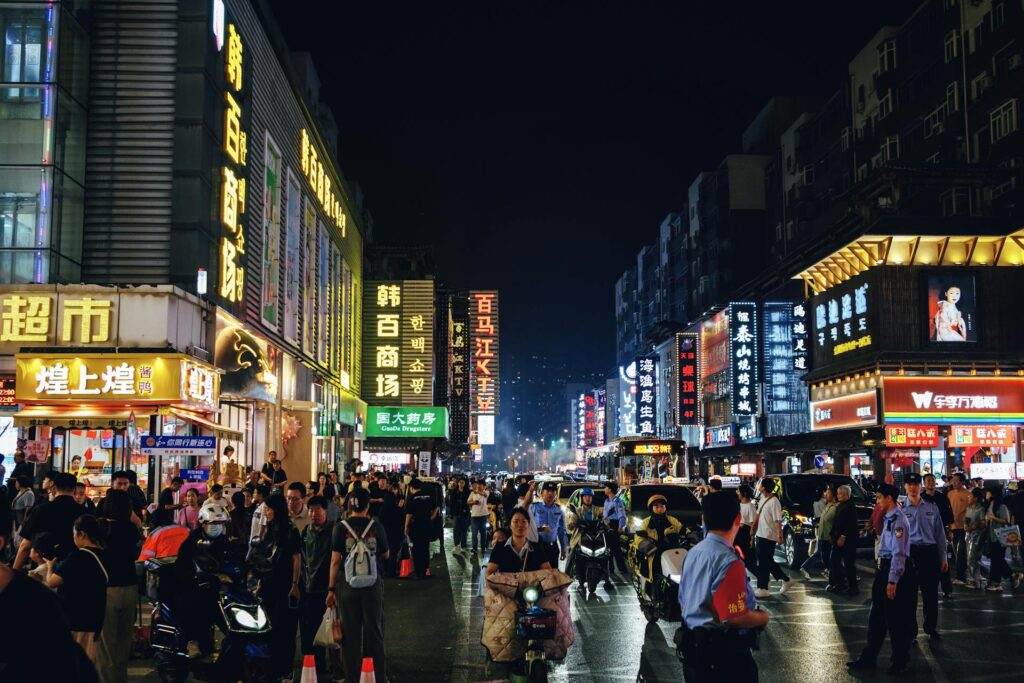
4. Bali: Where The Party Meets The Sunrise
Bali has changed significantly over the last decade. Once mainly known for yoga retreats and surfing beaches, the island has developed into one of the world’s most notable destinations for beach clubs and music festivals. This growth has been especially visible in the southern regions of the island, where areas like Seminyak, Canggu, and the Bukit Peninsula now host a large number of internationally recognized beachfront venues that compete with famous coastal nightlife destinations in the Mediterranean.
Several beach clubs have played an important role in shaping Bali’s reputation. Potato Head Beach Club is widely known for its striking architecture, sunset-facing pool area, and carefully curated music events that regularly feature respected DJs. Ku De Ta helped establish the modern beach club concept on the island and continues to be a popular gathering place for visitors and residents alike. In Canggu, Mrs Sippy Bali has gained a loyal following among long-term residents and travelers. Meanwhile, Atlas Beach Fest hosts large open-air events along the beachfront and frequently welcomes international electronic music performers.
What makes Bali’s nightlife particularly memorable is the setting. Many events take place directly by the ocean, allowing guests to enjoy music while watching the sunset over the Indian Ocean. This natural beauty, combined with well-produced music events, creates an atmosphere that is difficult to replicate elsewhere. In places like Canggu, the growing community of resident artists, DJs, and creative professionals has also helped build a scene that feels vibrant and authentic rather than purely tourist-focused.
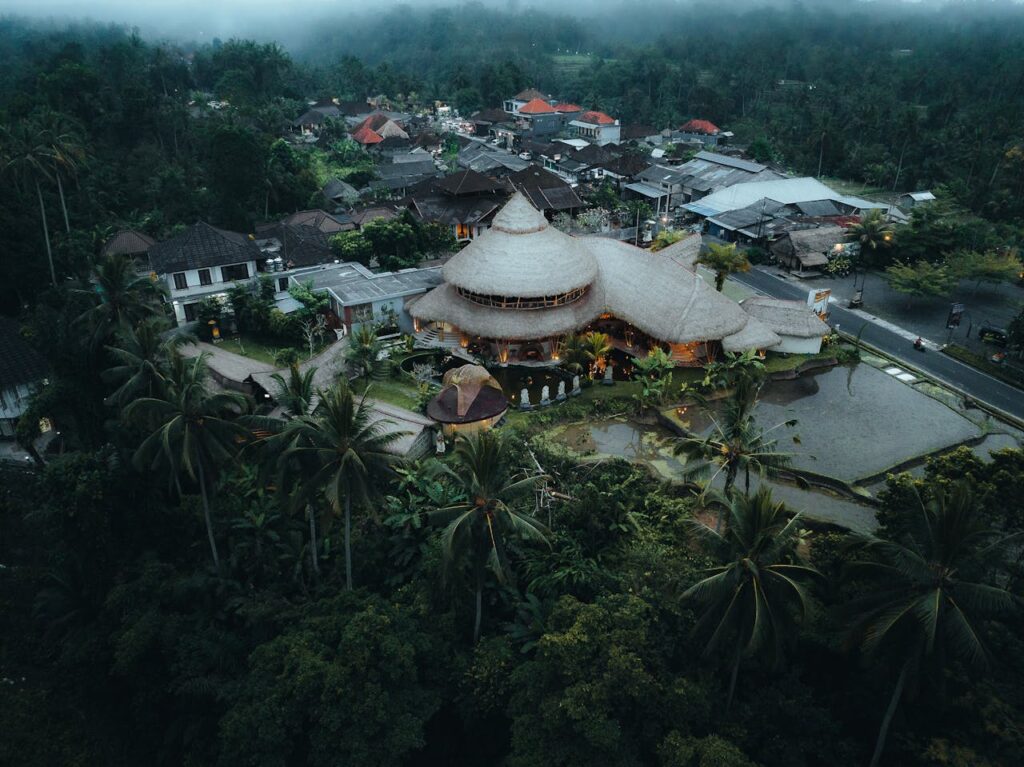
5. Ho Chi Minh City: The One To Watch
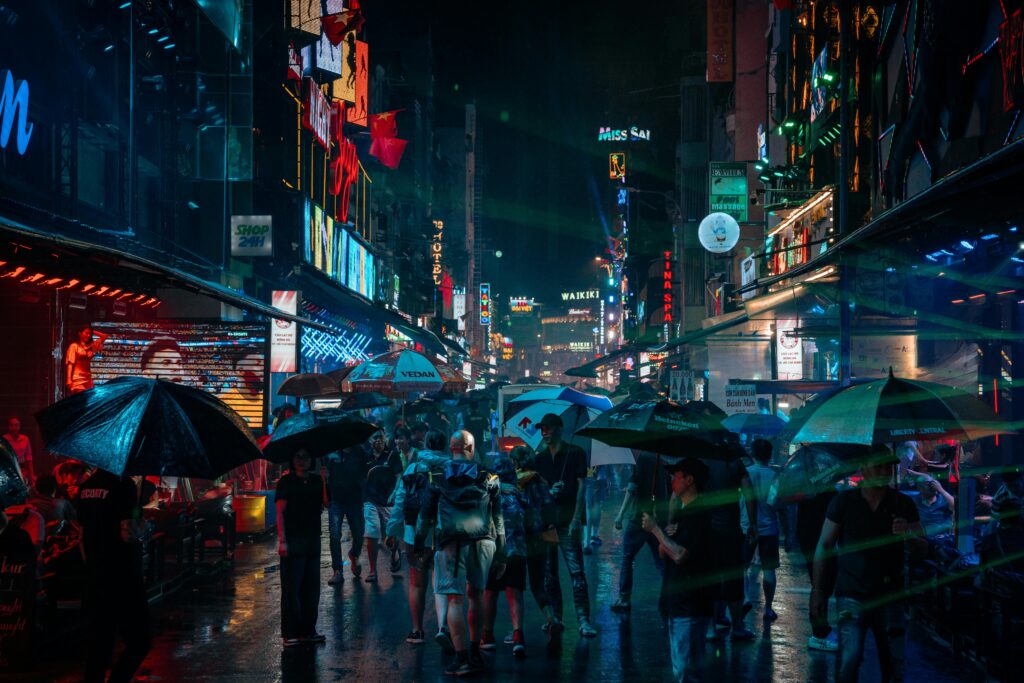
Ho Chi Minh City may not yet have the same global reputation as nightlife hubs like Tokyo or Bali, but its music culture is growing quickly and attracting increasing attention. As Vietnam’s largest city, it has developed an energetic underground scene supported by a young population and a fast-expanding creative industry.
The city’s nightlife activity is spread across several lively districts. Areas such as Bui Vien Street are known for busy bars and late-night crowds, while rooftop venues in District 1 offer music events with skyline views. At the same time, alternative parties and experimental music gatherings have started appearing in creative spaces and warehouse venues across District 2 and District 3.
Vietnam’s music industry is also expanding rapidly, with digital streaming and local artists gaining more global listeners each year. This growth is helping shape a nightlife culture that feels fresh, youthful, and increasingly influential within Southeast Asia’s emerging music landscape.
6. Hong Kong: Skyline Soirées And The LKF Effect
Hong Kong offers a distinctive nightlife experience shaped by its dramatic skyline and global atmosphere. Viewing the city’s illuminated skyscrapers from a rooftop bar is often considered one of the highlights of an evening out. Areas like Lan Kwai Fong and Central are especially popular for nightlife, with streets packed with bars and clubs that become extremely lively on weekends. Crowds frequently gather outside the venues as well, giving the district its energetic and unmistakable character.
The music and clubbing culture in Hong Kong is known for its international style and high production quality. Many venues host well-known DJs and large-scale events, reflecting the city’s reputation for premium entertainment experiences. Clubs such as Klee and Volar have played an important role in developing the local electronic music scene over the years.
For those looking for a more relaxed environment, the district of Wan Chai provides a different type of nightlife. Here, visitors can find live jazz bars and indie music venues that offer a quieter, more intimate setting compared to the busy club atmosphere of Lan Kwai Fong. This variety makes Hong Kong a city where both high-energy nightlife and laid-back live music experiences exist side by side.