1. Abu Dhabi
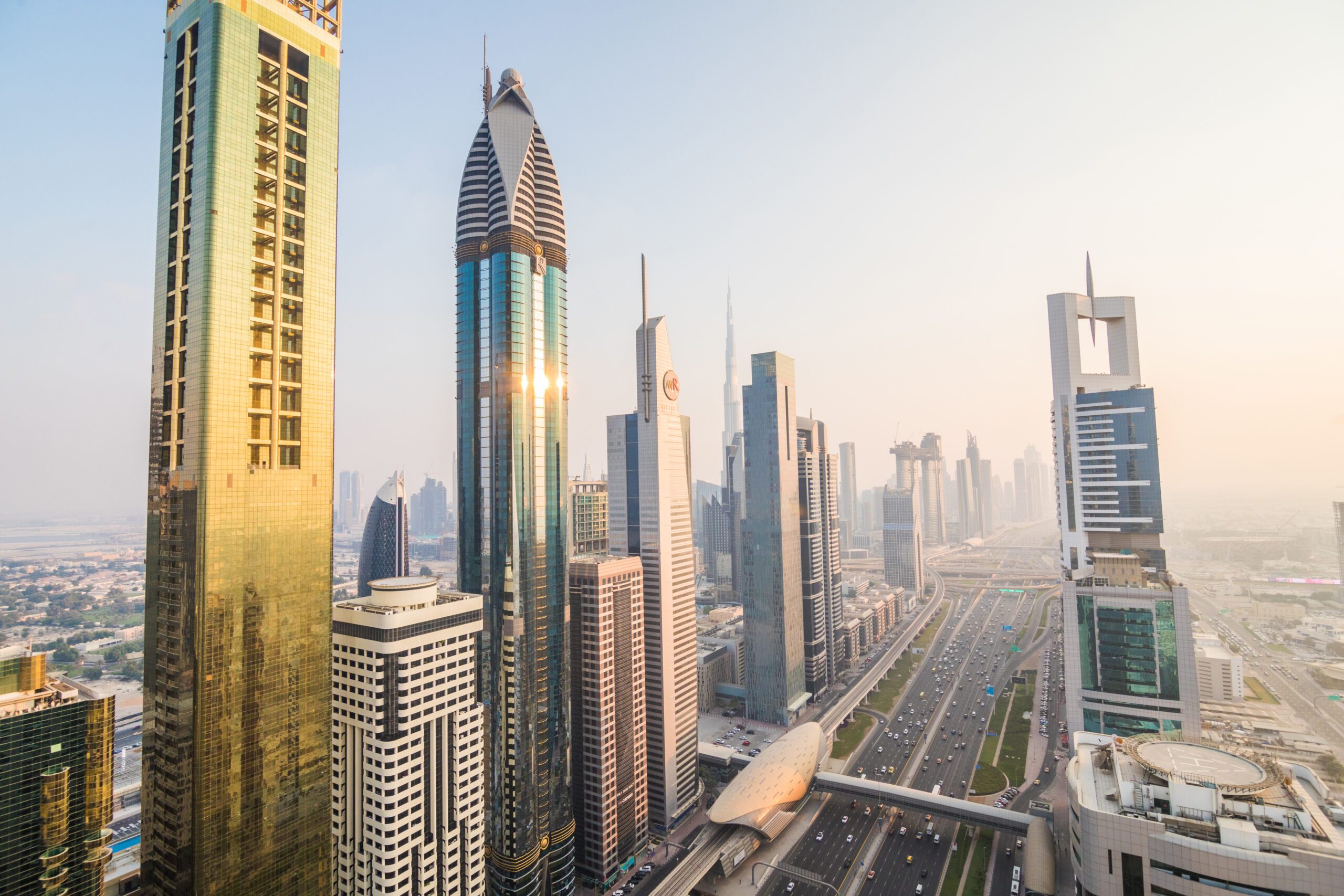
A quiet sense of excitement is building across Abu Dhabi’s desert skyline. After years of planning and construction, the Saadiyat Cultural District first brought to global attention with the opening of Louvre Abu Dhabi in 2017 is now approaching a transformative moment.
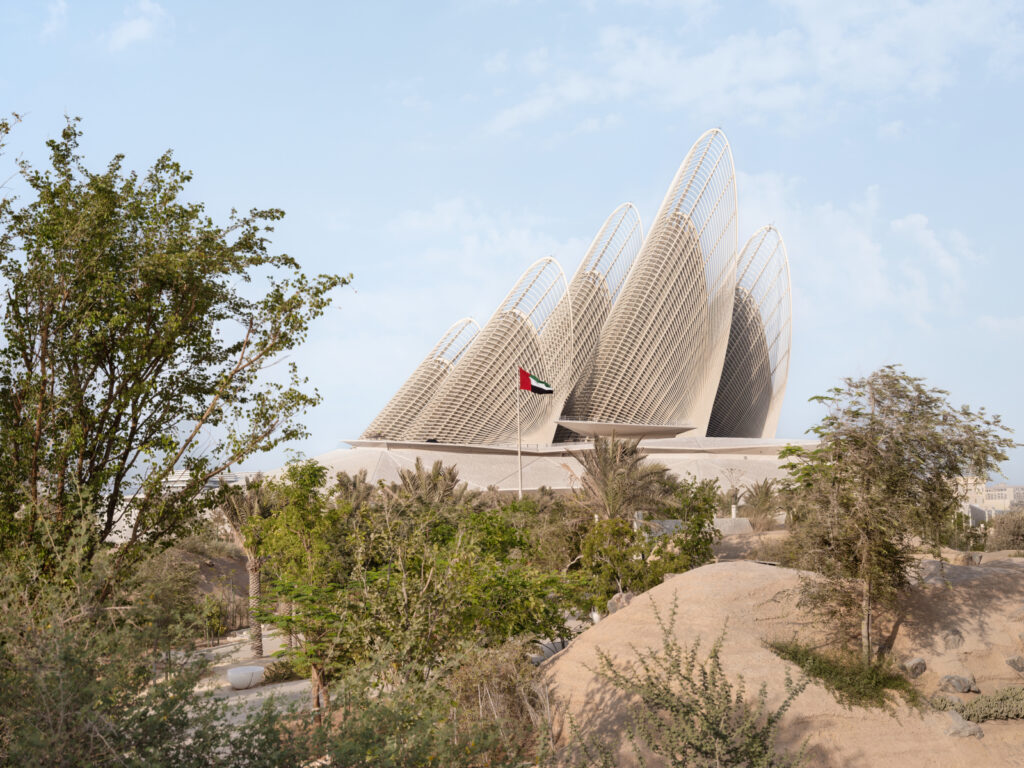
Recent additions include TeamLab Phenomena, now recognised as the world’s largest digital art museum, and the newly opened Zayed National Museum, which traces the nation’s identity before the discovery of oil. Stories of pearl diving, the role of Islam, the spread of Arabic culture, and the vision of the UAE’s founding leader, Sheikh Zayed bin Sultan Al Nahyan, are all brought to life through immersive exhibits.
Joining this growing cultural hub is the Natural History Museum Abu Dhabi, a striking structure overlooking the Arabian Gulf, its bold form inspired by regional geology. Still to come is Guggenheim Abu Dhabi, set to become the largest of its kind globally, with opening timelines currently projected for late 2026 or later.
Beyond museums, Abu Dhabi is expanding its appeal through large-scale entertainment developments. Yas Island continues to grow as a theme park destination, with Warner Bros. World introducing a Harry Potter experience and Yas Waterworld adding major new attractions. Long-term plans also include the region’s first Disneyland, marking a dramatic evolution for a city once defined by desert landscapes and coastal settlements.
2. Algeria
With vast Roman ruins, otherworldly desert landscapes, and historic cities shaped by centuries of layered architecture, Algeria holds extraordinary tourism potential that has long remained underexplored. For years, strict visa requirements kept many travellers away, earning the country a reputation as Africa’s “sleeping beauty.” That perception is now beginning to change.
Algeria is actively working toward a target of welcoming 12 million international visitors annually by 2030. Recent steps include introducing visa-on-arrival options for travellers arriving on organised tours, launching a new domestic-focused airline under Air Algérie in August 2025, and strengthening efforts to protect cultural heritage. This includes expanded training and support for the country’s estimated 460,000 artisans working in traditional crafts.
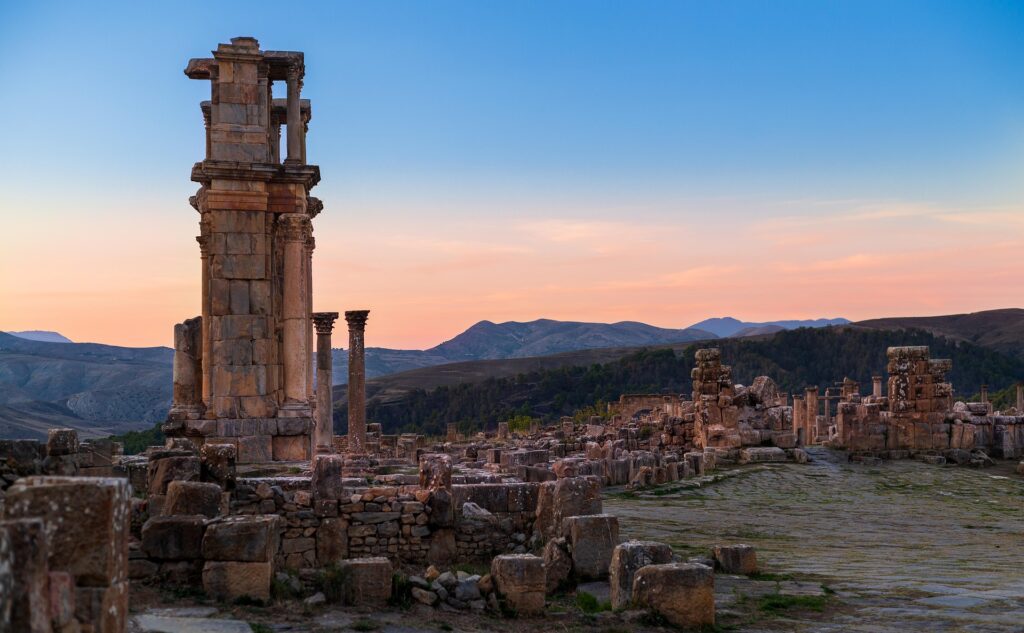
Improved access and newly launched tour programmes from major operators are making Algeria easier to visit in 2026. Most journeys start in Algiers, the coastal capital whose streets reflect layers of Phoenician, Ottoman, and French influence. Constantine, a UNESCO-listed city famed for its dramatic setting and ancient structures, is another highlight. Nearby, the remarkably preserved Roman sites of Timgad and Djémila offer an almost crowd-free glimpse into antiquity. Beyond the cities, the Algerian Sahara stretches endlessly, with the oasis town of Djanet acting as a gateway to vast dunes and desert exploration.
3. Colchagua Valley, Chile
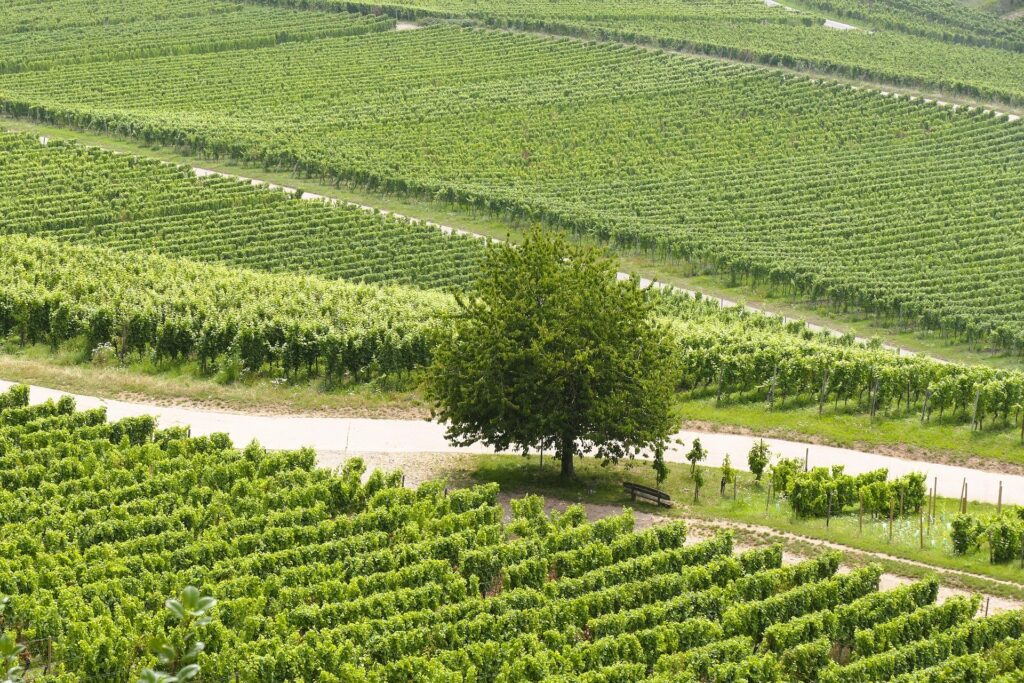
Located roughly two hours south of Santiago, Chile’s Colchagua Valley runs from the snow-capped Andes near the Argentine border all the way to the Pacific Ocean, shaped by the flow of the Tinguiririca River. While many visitors pass through Santiago on their way to Patagonia or the Atacama Desert, those who travel south on a slow, multi-day drive discover historic estates, rewarding walking trails, and the core of Chile’s rapidly rising global wine reputation.
Well before nearby luxury vineyard retreat Vik gained global recognition as the world’s top winery for 2025, Colchagua’s long-established producers—including Viu Manent, Los Vascos, Casa Silva, and MontGras—had already made the region a destination for relaxed tastings and vineyard experiences. Food plays an equally important role here, highlighted by venues such as Fuegos de Apalta, where chef Francis Mallmann showcases open-fire cooking in a sun-filled setting surrounded by the vineyards of Montes Winery.
Accommodation options allow travellers to stay right among the vines. At Clos Apalta, the renowned Lapostolle family has created a striking hillside property featuring a collection of contemporary villas that extend outward from the mountain, overlooking sweeping slopes planted with Carménère, Cabernet Sauvignon, and Syrah. The effect is both dramatic and deeply connected to the landscape.
4. Cook Islands
The Cook Islands are known for their warm, outgoing spirit hospitality is a way of life here. Yet despite this openness, visitor numbers remain modest compared with other Pacific destinations such as Fiji. The result is a rare feeling: arriving not as a resort-bound tourist, but as a genuine guest welcomed into everyday island life.
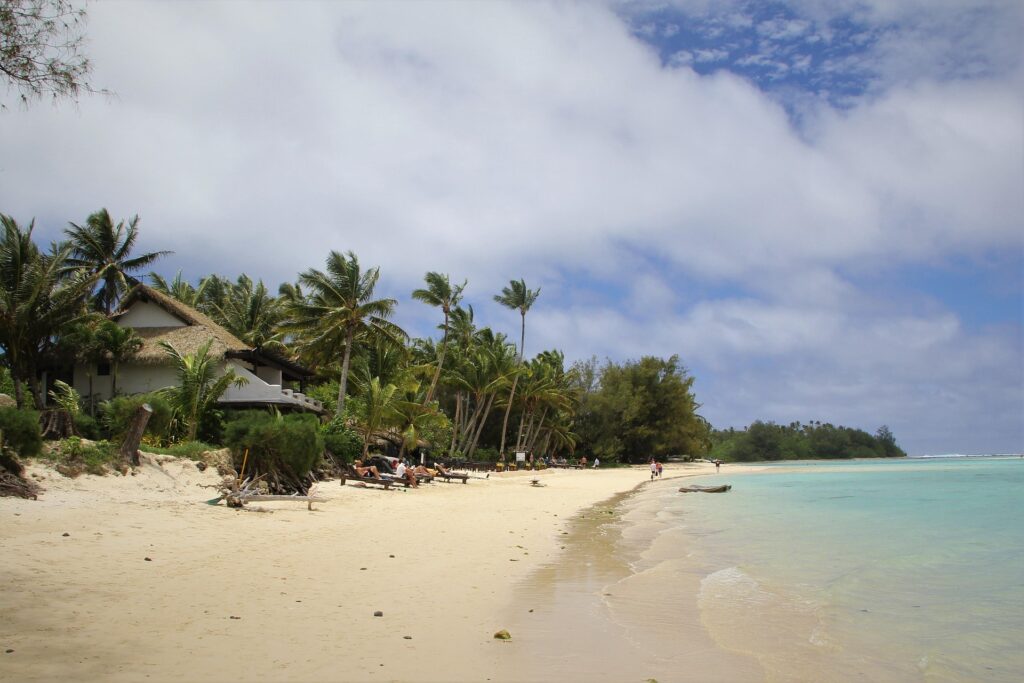
Rarotonga, the largest island, covers just 67 square kilometres, yet it captures everything that defines the South Pacific. Sharp volcanic peaks rise above a lush interior, encircled by a clear lagoon, while Polynesian traditions remain strong and visible. Beyond Rarotonga and aside from the popular honeymoon island of Aitutaki lie 13 lesser-visited islands where solitude and authenticity are still the norm.
A new generation of understated, barefoot-luxury accommodation is reshaping the islands, while 2026 marks a renewed focus on cultural and environmental protection. The guardians of Marae Moana, one of the world’s largest marine reserves, are reinforcing safeguards for its most important areas. In Aitutaki, three motu within its famous lagoon have been granted special conservation status. The government has also postponed deep-sea mining research until at least 2032. On land, Rarotonga’s sacred Maungaroa Valley listed on UNESCO’s Tentative List remains untouched, filled with rivers and dense rainforest free from development.
Access to this Pacific haven is improving as well. Hawaiian Airlines enhanced its Honolulu–Rarotonga service in mid-2025 with more convenient daytime flights and expanded US connections via Alaska Airlines. From May 2026, Jetstar will introduce the first direct flights between Brisbane and Rarotonga, making this island paradise easier to reach than ever before.
5. Costa Rica
Those who reach this small Central American destination discover an uncommon balance between raw nature and mindful living. Dense rainforest meets deserted shorelines, scarlet macaws glide above clear blue bays, and powerful Pacific swells shape a coast that contains an extraordinary share of the planet’s land-based wildlife within a single peninsula. Days begin with the calls of howler monkeys and unfold through glowing mangrove waterways, renowned surf breaks, and guided practices such as yoga, meditation, and breathwork before venturing deep into Corcovado National Park.
Reaching this remote region is becoming simpler, with direct flights from San José to nearby Puerto Jiménez, arriving just as major conservation efforts accelerate. In 2026, environmental groups and government partners aim to expand protected zones on land and at sea, reinforcing wildlife corridors for jaguars in the rainforest and improving safeguards for migrating shark species offshore. Locally operated surf schools, wellness retreats, and eco-conscious lodges are embracing this shift, blending outdoor adventure with restorative travel experiences. Properties like Lamangata Surf Resort rely on solar power and water recycling systems, while Blue Osa Yoga Retreat supports marine protection through its long-standing sea turtle conservation initiatives.
The Osa Peninsula encourages visitors to move at a gentler pace, reconnect with the rhythm of the ocean, and contribute to its preservation. At a time when many destinations struggle with overtourism, this rugged coastline demonstrates that meaningful travel can unite comfort, responsibility, and respect for nature in one experience.
6. Hebrides, Scotland
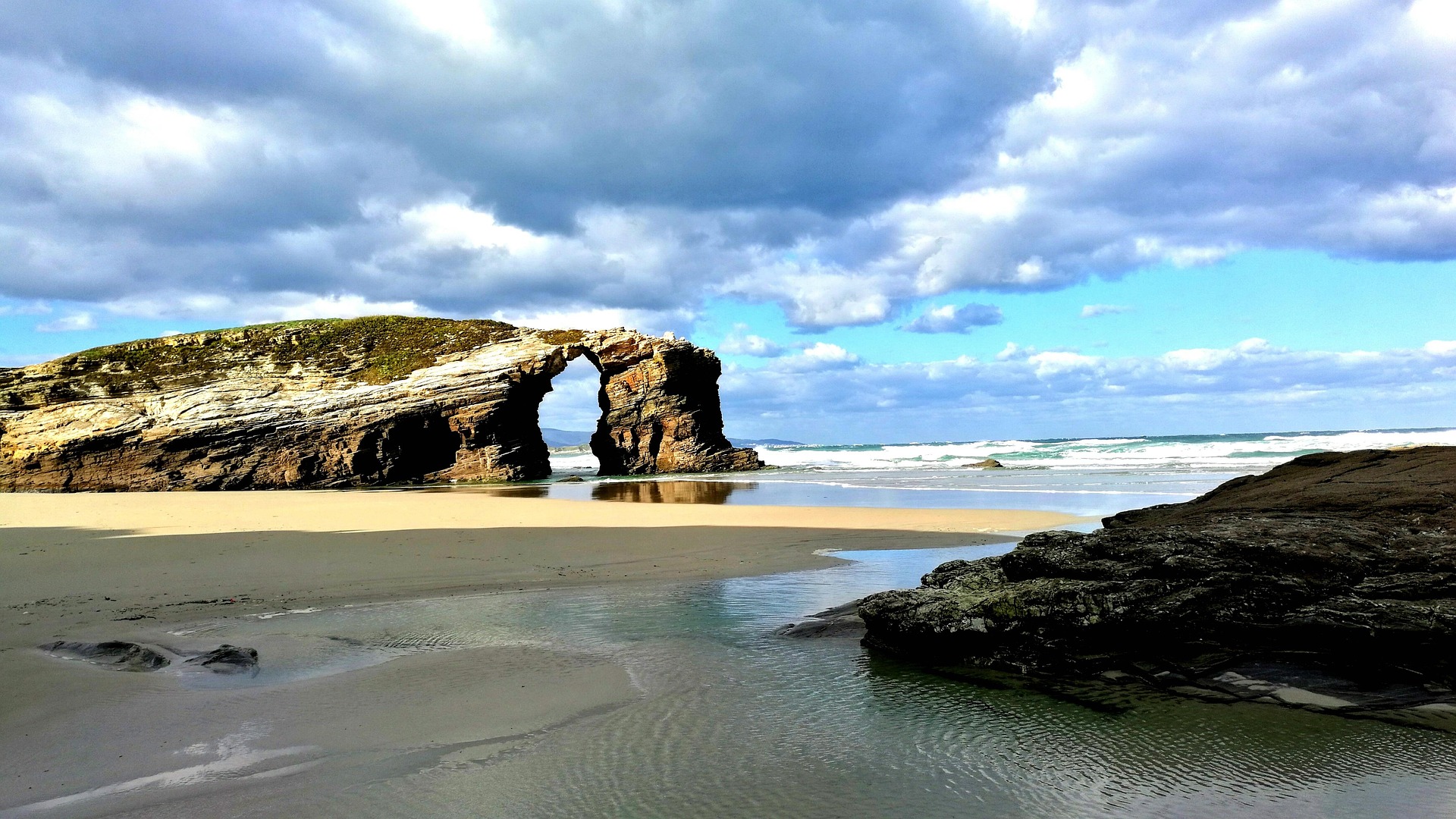
Dotted along Scotland’s rugged Atlantic edge, the Hebridean islands have always drawn visitors with their ancient landmarks, untouched beaches, and close-knit island life. In the coming year, several of these islands are stepping into a new chapter.
On the northern edge of the Outer Hebrides, the Isle of Lewis is set to open a long-anticipated interpretation centre at the Calanais Standing Stones. Older than Stonehenge, this remarkable stone formation is finally gaining dedicated facilities to protect and interpret its 5,000-year history, alongside the introduction of a modest visitor contribution to support long-term conservation.
Further south, arriving on Barra still feels wonderfully unconventional, with flights landing directly on a tidal beach. Known for pale sand coves and the dramatic Kisimul Castle rising from the sea, the island is now entering the world of whisky for the first time. A new distillery in the small settlement of Borve is placing Barra on the international spirits stage.
Whisky culture is already deeply embedded on Islay, and its reputation for bold, smoky single malts continues to grow. By 2026, two additional distilleries will open, bringing the island’s total to fourteen and reinforcing its status as one of Scotland’s most important whisky destinations. Laggan Bay Distillery will arrive first, led by a team with a strong pedigree in Scottish spirits. Later, Portintruan Distillery will open near Port Ellen, complementing the launch of Ardbeg House, the island’s first luxury hotel devoted entirely to whisky experiences.
Across Islay, there is a strong sense of pride and warmth that defines island hospitality. For those planning a visit, securing accommodation early is essential especially in May, when the celebrated Fèis Ìle whisky festival brings the island to life.
7. Ishikawa, Japan
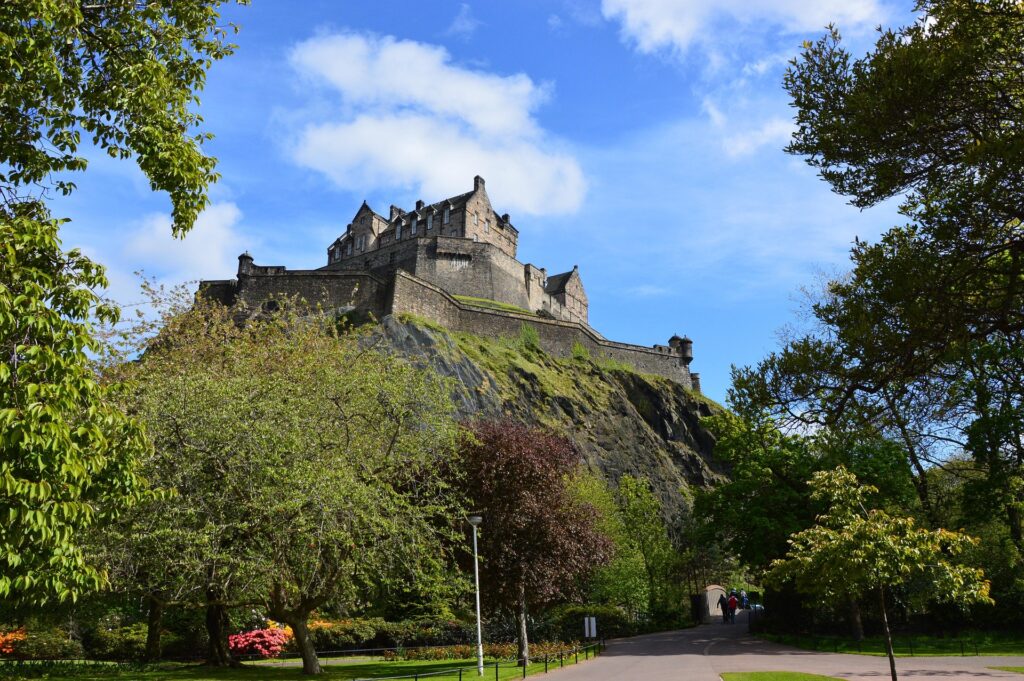
In early 2024, a powerful earthquake struck Japan’s Noto Peninsula in Ishikawa Prefecture, leaving lasting damage across this quiet coastal region. Now, two years later, community leaders are encouraging travellers to return not just to explore, but to actively support the area’s recovery through responsible tourism.
To the south, Kanazawa is easily reached from Tokyo by high-speed rail and offers a refined blend of history and creativity. The city is celebrated for Kenrokuen Garden, traditional arts, and hands-on cultural experiences, from gold-leaf craftsmanship to textile dyeing rooted in the Kaga Yuzen tradition. Yet the greatest impact can be made further north, in the towns and villages of Noto that were hardest hit.
Here, visitors are welcomed into rural homestays where daily life becomes part of the journey. Guests may help with seasonal farming, including rice cultivation that supports both local families and the historic Shiroyone Senmaida terraces overlooking the sea. Tourism income plays a direct role in preserving these landscapes and livelihoods.
Noto is also deeply respected for its culinary heritage, particularly its fresh seafood, distinctive Wajima lacquerware, and celebrated sake brewed by master artisans known as Noto toji. Many breweries have resumed production through collective recovery initiatives that channel sales back into rebuilding efforts, allowing visitors to contribute simply by tasting and supporting local craft.
8. Komodo Islands, Indonesia
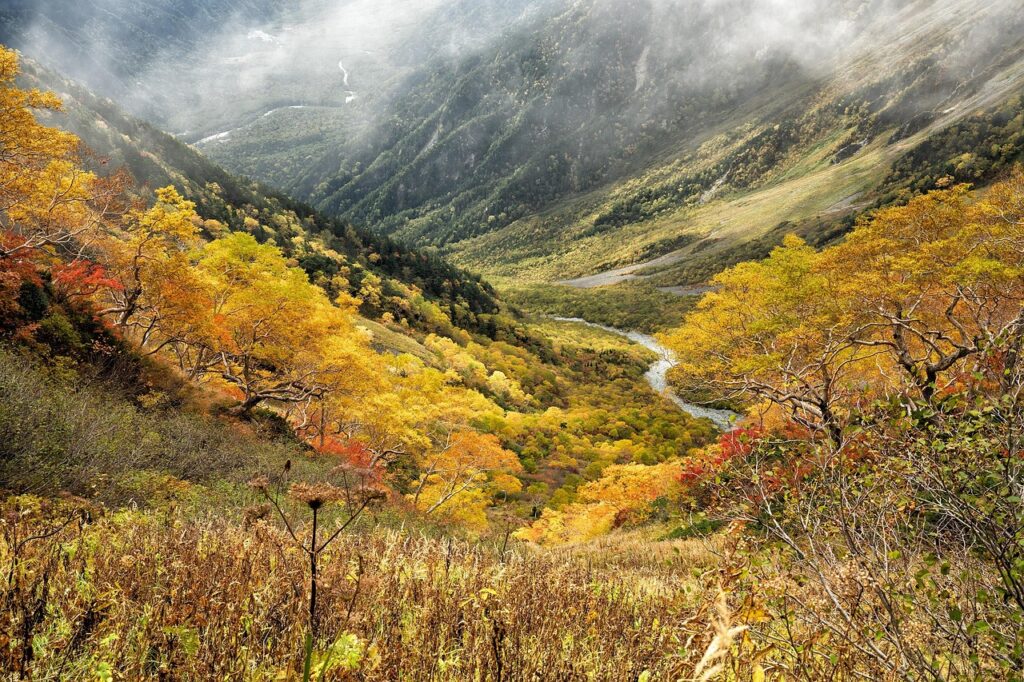
Emerging from the clear blue waters of the Flores Sea, the Komodo archipelago stands as one of the world’s most dramatic natural sanctuaries. This protected landscape combines rose-tinted beaches, rolling grasslands and vibrant coral ecosystems, where manta rays glide beneath the surface and the planet’s only remaining wild Komodo dragons continue to thrive in their natural habitat.
In 2026, Indonesia will celebrate 45 years since the area gained national park status, introducing enhanced conservation initiatives and tighter visitor controls to safeguard both marine life and land-based species. Easier access through new direct air routes from Singapore and Kuala Lumpur to Labuan Bajo has opened the region to more travellers, while regulated entry, guided walks and permit systems help ensure tourism directly benefits conservation and nearby communities. Visitors can discover the islands on day cruises, stay at environmentally focused lodges or journey between secluded coves aboard traditional phinisi sailing boats for a more immersive experience.
9. Loreto, Baja California Sur, México
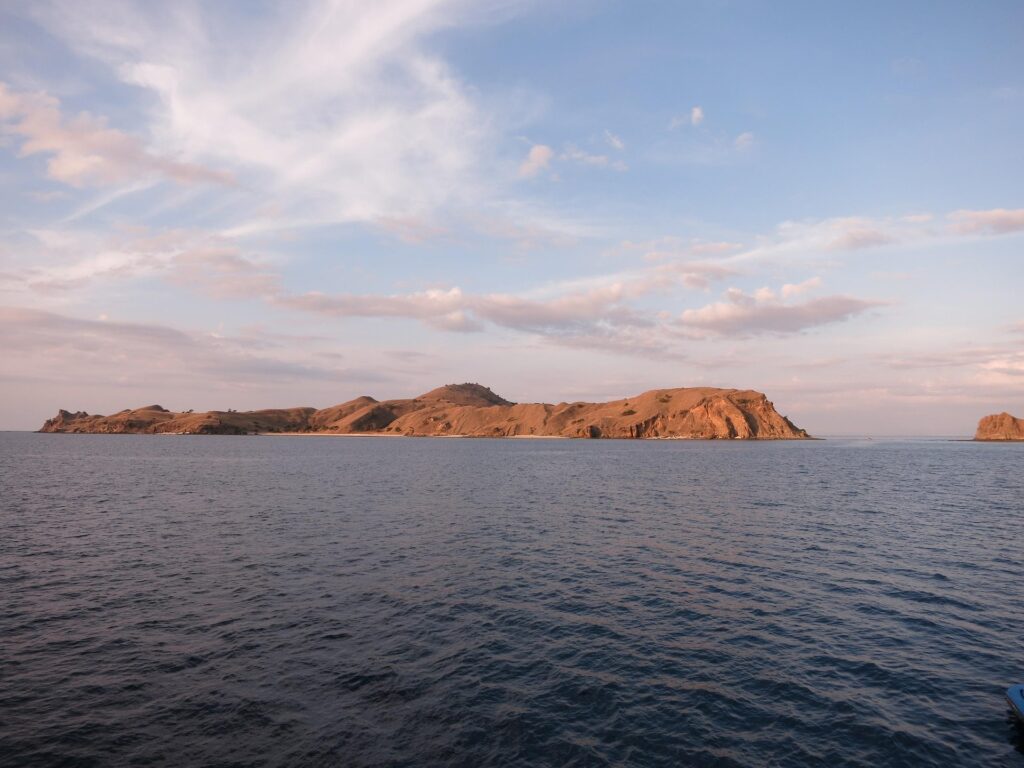
As Loreto Bay National Park nears its 30-year milestone, its role as a conservation success story continues to evolve. Spanning more than 200,000 hectares across the Gulf of California, the protected area shelters extraordinary marine life, including blue whales, sea turtles and thriving sea lion colonies. It stands as one of Mexico’s most powerful examples of community-driven environmental protection.
Protection efforts are now extending even further. Plans are underway for two additional national parks, Nopoló and Loreto II, which will safeguard vast stretches of desert valleys, mangrove ecosystems and vital wildlife corridors. These new areas will allow visitors to explore diverse landscapes while supporting long-term preservation. In Loreto, conservation is not an abstract concept but part of everyday life. Many former fishing families have transitioned into trained nature guides, leading kayaking excursions among offshore islands and responsible whale-watching trips that contribute to scientific research.
Travellers are invited to participate directly, from helping track migrating whales and joining shoreline clean-ups to attending annual festivals that celebrate nature through local music, food and storytelling. Community cooperatives also organise guided desert hikes and shared meals, where guests enjoy freshly caught seafood alongside local families.
Framed by historic mission buildings, sunlit streets and the dramatic Sierra de la Giganta mountains, Loreto offers an experience that feels both intimate and awe-inspiring a destination where visitors become part of a living story of ecological renewal and community leadership.
10. Montenegro
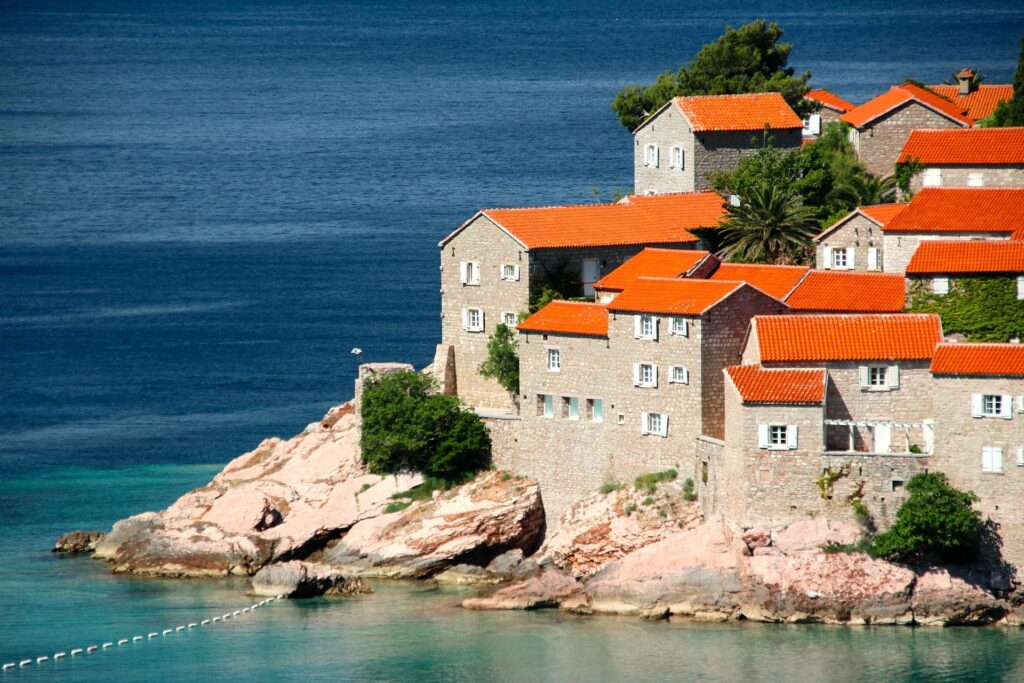
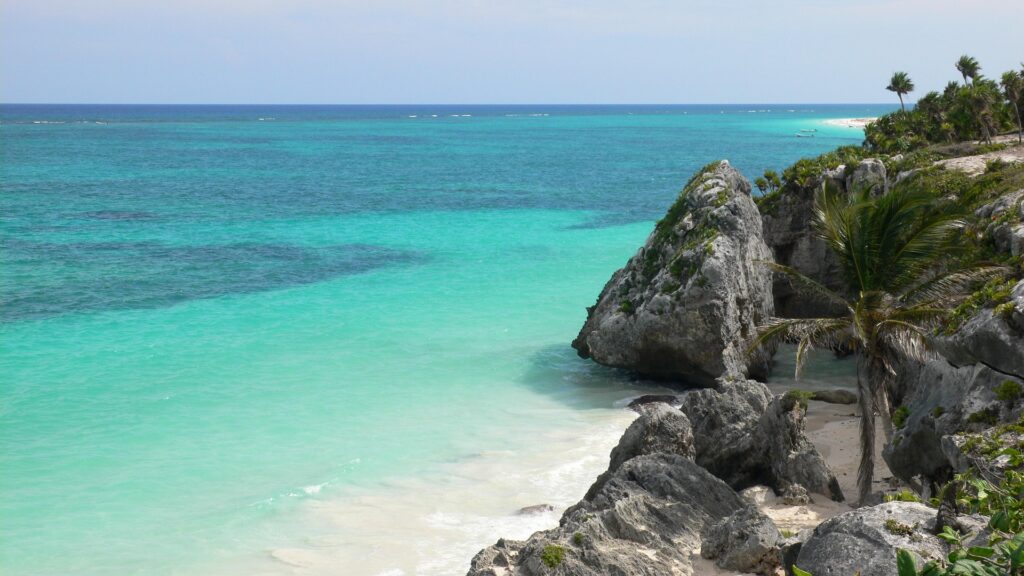
One of Europe’s newest independent countries, Montenegro will mark two decades as a sovereign state in 2026. Home to fewer than 650,000 residents, the country reflects layers of Illyrian, Roman, Ottoman and Yugoslav heritage. Most travellers associate Montenegro with its Adriatic shoreline, especially the striking Bay of Kotor, where medieval towns, Venetian-era fortifications and calm, fjord-like waters create one of the Balkans’ most scenic coastal settings. As nearby destinations grow increasingly crowded, Montenegro’s seaside resorts are attracting visitors seeking a quieter alternative.
Beyond the coast, however, lies a vastly different landscape that remains largely undiscovered. Inland regions unfold from fertile river valleys into rugged karst terrain and high mountain ridges. The historic town of Cetinje, once the royal capital, offers an intimate look at national history through its monasteries, former palaces and museums. Nearby, Lake Skadar stands out as a major ecological treasure and one of Europe’s most significant bird sanctuaries, supporting hundreds of recorded species.
Montenegro’s greatest allure may be its mountains. The remote Prokletije range forms one of the continent’s last true wilderness areas, defined by dramatic summits, ancient forests and glacial lakes inhabited by wolves and bears. This region is also crossed by long-distance hiking routes, including sections of the Peaks of the Balkans trail, a cross-border trek linking Montenegro with Albania and Kosovo. Designed around sustainable tourism, the trail helps preserve traditional mountain life while providing new economic opportunities for isolated communities.