These eight countries offer something increasingly hard to find: places where life has not been completely overtaken by speed. Today’s world moves relentlessly fast. Notifications never stop, schedules stay packed, and the pressure to stay productive leaves little room to pause. Minds feel overloaded, bodies feel drained, and moments of true stillness often come with guilt.
This is where slow travel finds its purpose. It isn’t about doing less for the sake of it. It’s about choosing destinations shaped by culture and landscape to encourage a different pace of living. In these countries, time is treated with respect. People value presence over efficiency and experience over output.
Visiting them feels less like a holiday and more like a reset. Meals are unhurried, silence feels natural, and days unfold without urgency. These destinations don’t expect you to keep up. They invite you to slow down, breathe, and rediscover what life feels like when it isn’t rushed.
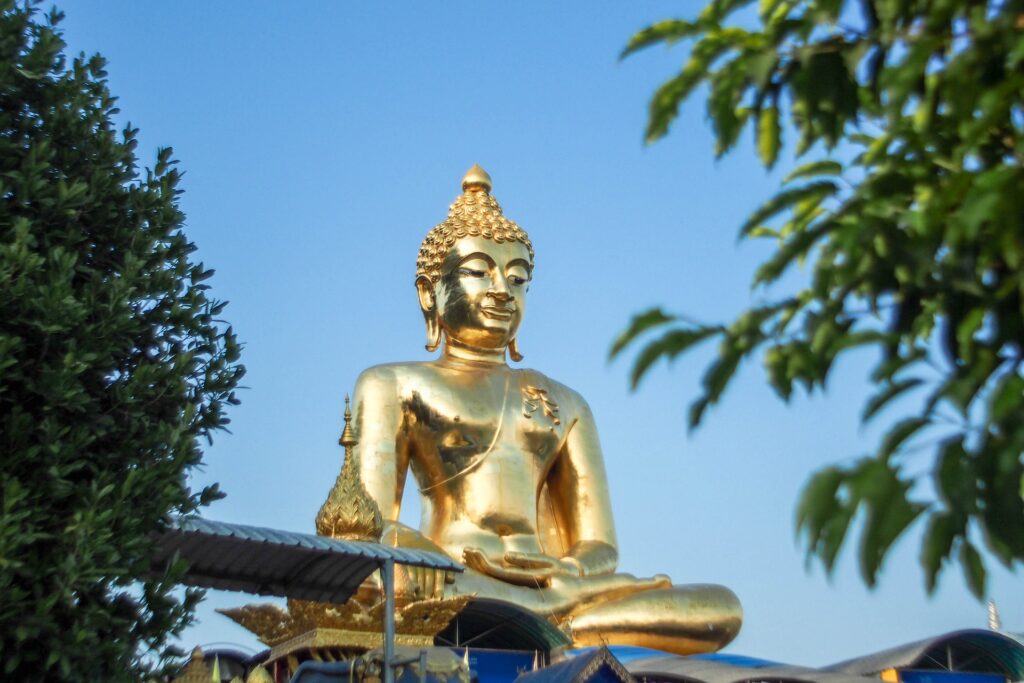
1. Bhutan: Measuring Happiness Over Economic Growth
Bhutan exists on a different wavelength from much of the modern world. Instead of judging success through economic output, the country measures progress using Gross National Happiness. This guiding philosophy shapes daily life, placing spiritual wellbeing, environmental balance, and cultural preservation above material growth. The setting reinforces this mindset—towering mountains frame the land, monasteries cling to dramatic cliffs, and prayer flags move constantly with the wind. Travelling through Bhutan feels like entering a place where time moves gently and purpose outweighs pace.
How to get there:
International travel is routed through Paro International Airport, the country’s sole international gateway, with connections typically via Bangkok, Delhi, or Kathmandu. Visitors must arrange their trip through authorised tour operators, a policy designed to protect Bhutan’s heritage and natural environment. Daily travel costs usually range between USD 250 and 400, covering accommodation, meals, transportation, and licensed guide services.
2. Portugal: Leisure, Food, And Evening Strolls
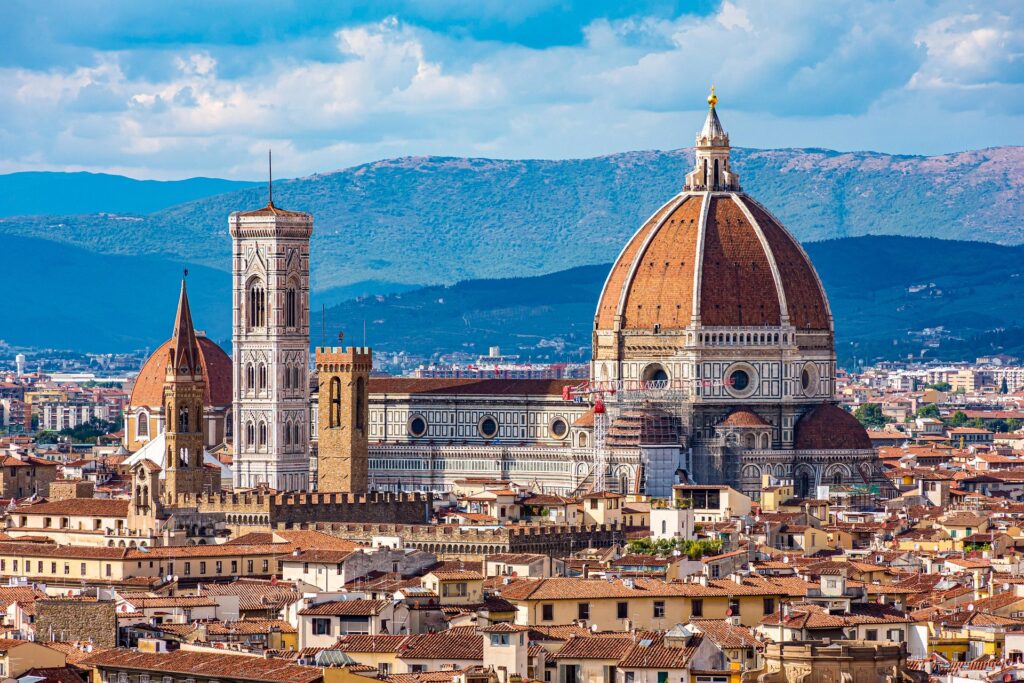
Portugal has quietly resisted the relentless pace that defines much of modern Europe. Daily life remains centred on family, shared meals, and strong neighbourhood ties. Lunches stretch unhurried into the afternoon, evening walks through town squares are treated as meaningful rituals, and local markets still anchor communities more than large retail chains. There is a sense that time here was intentionally slowed, creating space for presence and connection.
How to get there:
Lisbon is easily reached from major international hubs. From the capital, an efficient rail network links cities such as Porto, Covilhã, and many smaller towns, making train travel a natural fit for a slower journey. Car rentals work well for rural exploration, while buses serve village routes. Once in Portugal, resist rushing—settle into one location and stay long enough to absorb its rhythm.
3. Japan: Mindfulness Through Ancient Tradition
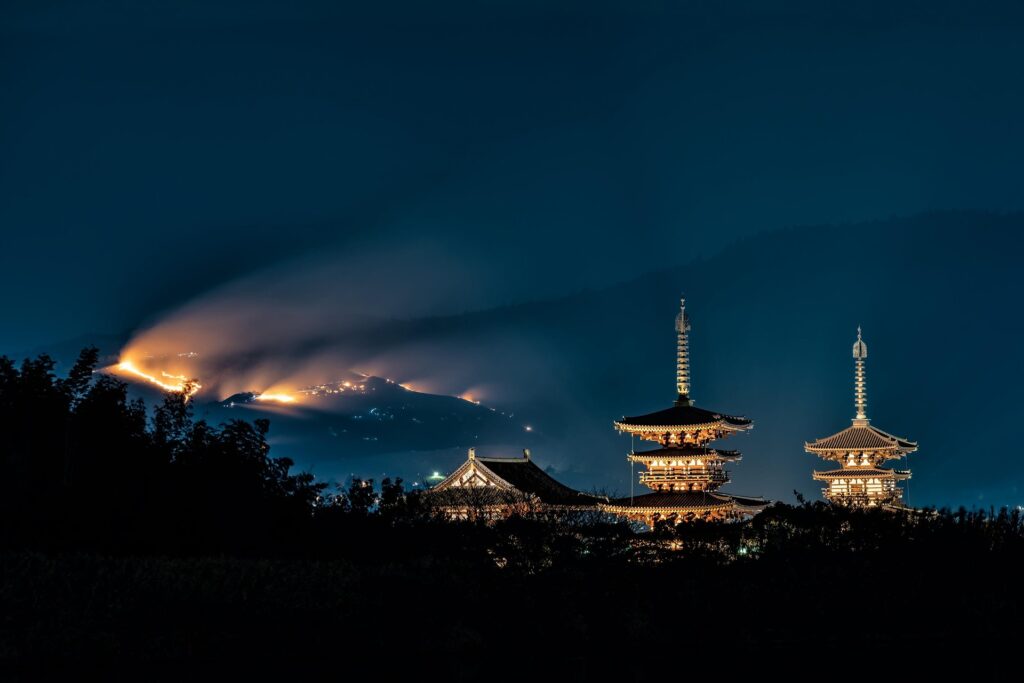
Japan achieves a rare harmony between innovation and tradition. While cities like Tokyo pulse with modern energy, the country’s deeper rhythm is found in places such as Otaru, Kyoto, and across Hokkaido, where long-standing customs still shape daily life. Practices like forest bathing (shinrin-yoku) are embraced as part of wellbeing, meditation remains integral, and tea ceremonies encourage patience and awareness. Japan allows travellers to slow down without disconnecting, blending mindful living with everyday convenience—even in urban settings.
How to get there:
International flights arrive primarily in Tokyo or Osaka. Japan’s rail network is among the world’s most efficient, making extended travel seamless. Rail passes support unhurried exploration across regions. Spend more time in destinations such as Kyoto or Hokkaido, where temples, nature, and tradition set the pace. Trains provide an ideal way to move thoughtfully between cities.
4. Costa Rica: The Pura Vida Philosophy
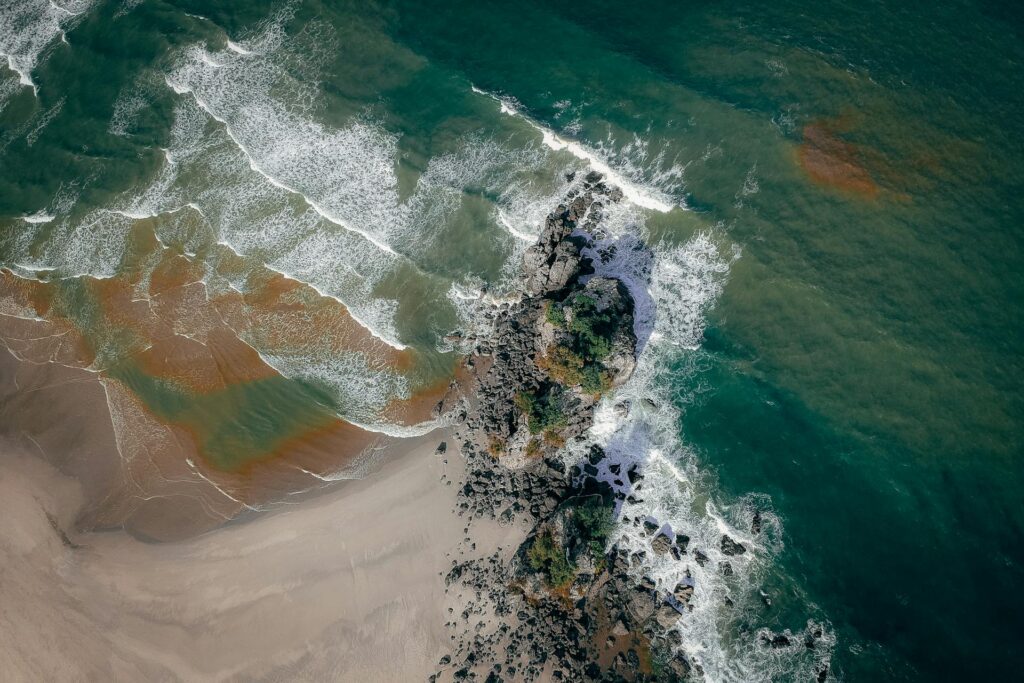
Costa Rica is guided by the philosophy of Pura Vida, or “pure life,” a mindset that shapes everyday living rather than serving as a slogan. Wellbeing, community, and connection to nature are valued above constant striving. The country made a defining choice in 1949 by dissolving its military and redirecting resources toward education and healthcare, a decision that continues to influence its relaxed, people-first culture.
How to get there:
International arrivals land in San José or Liberia. Short domestic flights link major regions, while buses—affordable, dependable, and unhurried—encourage a slower way of moving. Car rentals provide flexibility for rural areas. For an authentic experience, choose eco-lodges and small towns over large resort complexes.
5. New Zealand: Nature As Daily Life
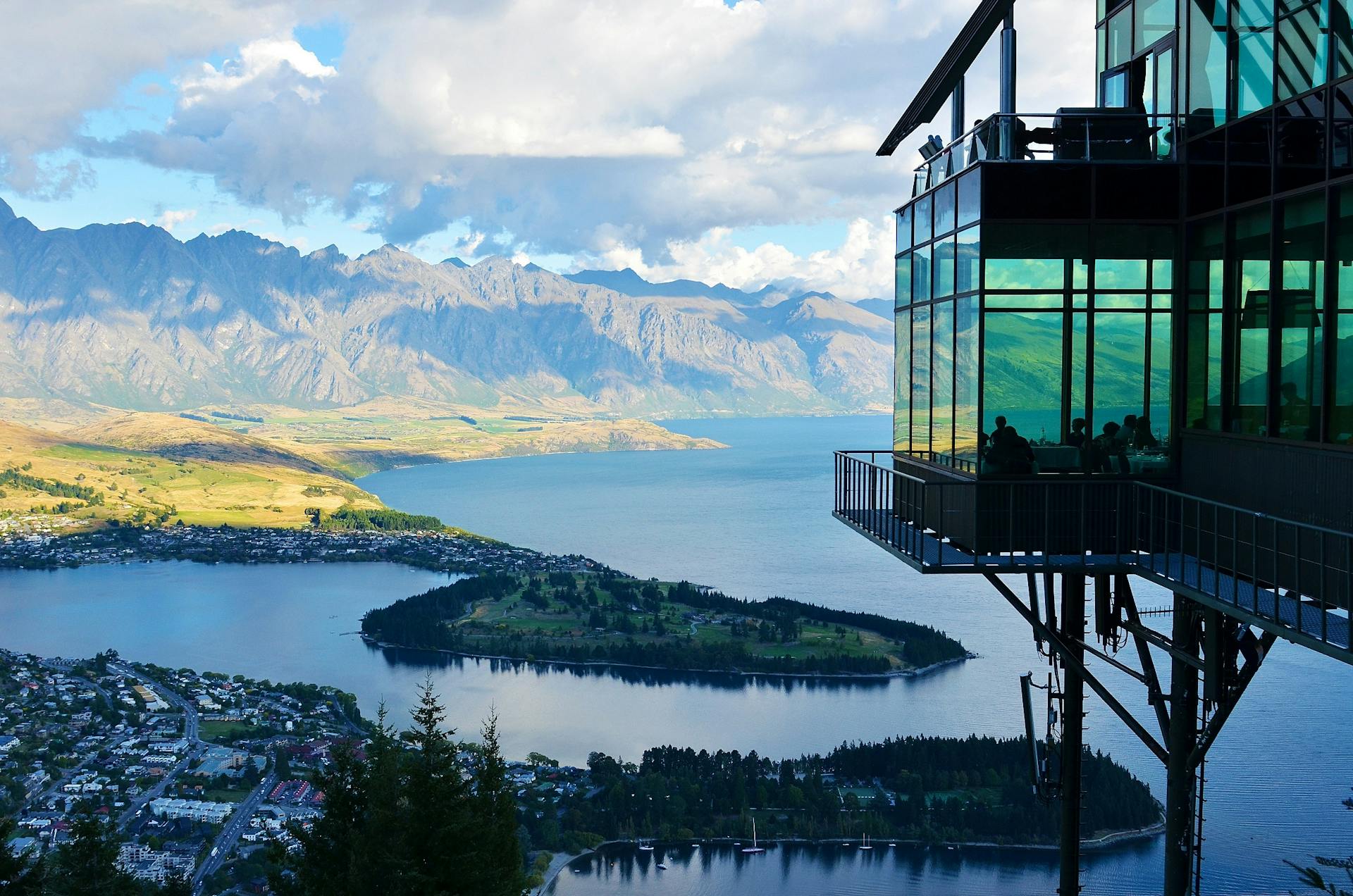
New Zealand’s way of life is deeply shaped by the outdoors and a strong connection to the natural world. Balance between work and personal time is widely respected, with people placing genuine value on family, fresh air, and open space over constant professional ambition. The scenery is so expansive and powerful that slowing down feels effortless—you simply cannot rush through landscapes of this scale and beauty.
How to get there:
International flights arrive mainly in Auckland or Christchurch. While domestic flights link major regions, driving is ideal for unhurried exploration. Extended road trips across the South Island offer some of the most immersive slow-travel experiences. Plan to stay at least two to three weeks to fully absorb the country’s rhythm.
6. Iceland: Tranquillity In Fire And Ice
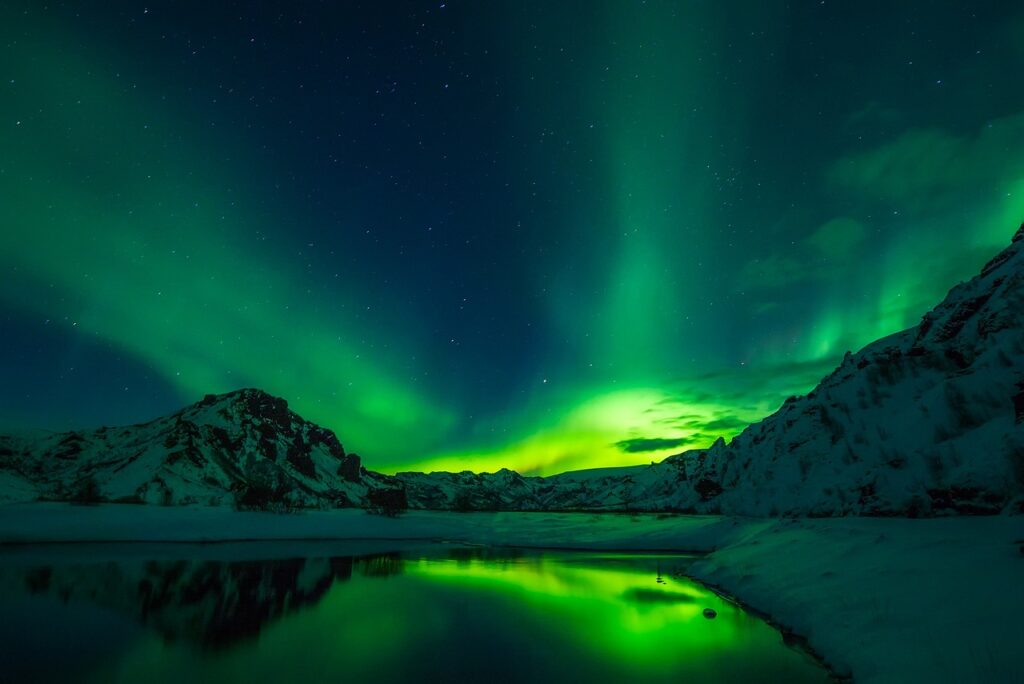
Iceland’s raw landscapes demand full attention. Vast glaciers, erupting geysers, and volcanic terrain make it impossible to stay distracted; the scale alone invites stillness. In summer, the midnight sun stretches time itself, while winter brings the quiet wonder of the Northern Lights. Each season encourages reflection, reminding visitors how small worries become against such powerful natural forces.
How to get there:
Arrive via Reykjavík and explore by car for the most immersive experience. Driving the Ring Road allows unrushed access to the country’s diverse regions. Stay in small towns, linger along the South Coast for dramatic scenery, explore the Golden Circle for iconic sights, and head north for a deeper sense of isolation. Plan for at least two weeks
7. Greece: Island Life And Ancient Simplicity
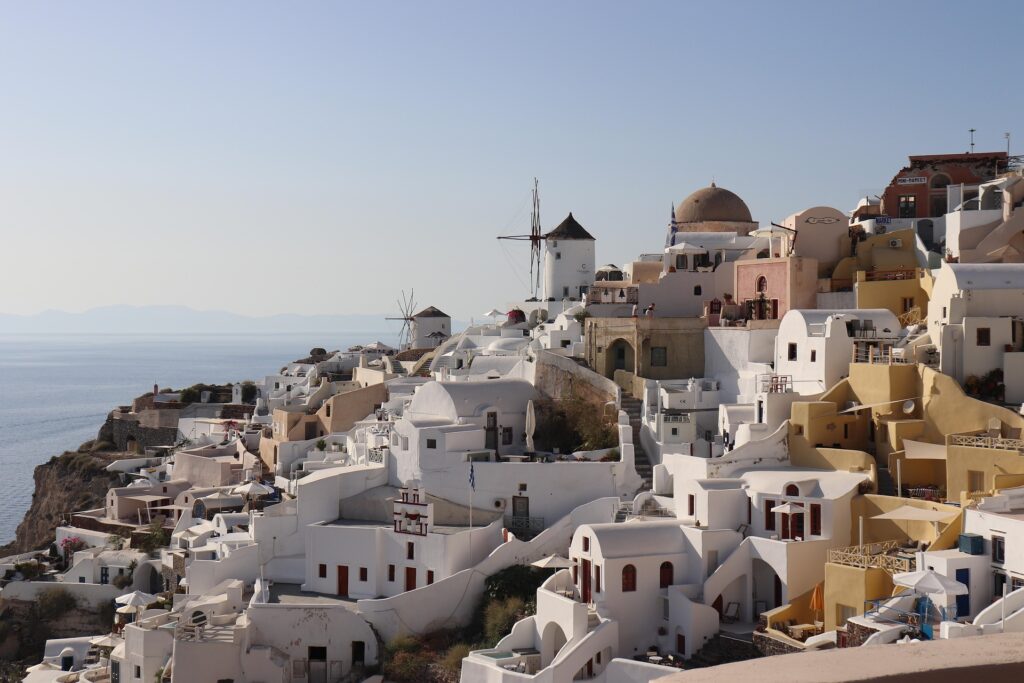
The Greek islands, including Crete, Paros, and Santorini, reflect a way of life shaped by patience, community, and the outdoors. Days unfold under open skies, conversations linger over long shared meals, and relationships take precedence over rigid schedules. Ancient ruins scattered across the islands quietly remind visitors that time has always moved differently here. Island life itself sets the pace—naturally slower, naturally grounded.
How to get there:
Begin your journey in Athens, then travel onward by ferry. Island connections take time by design, and that rhythm is part of the experience. Moving between islands requires hours at sea, creating a natural pause between destinations. This unhurried movement isn’t a limitation—it’s the essence of slow travel.
8. Laos: Affordable Authenticity And River Rhythms
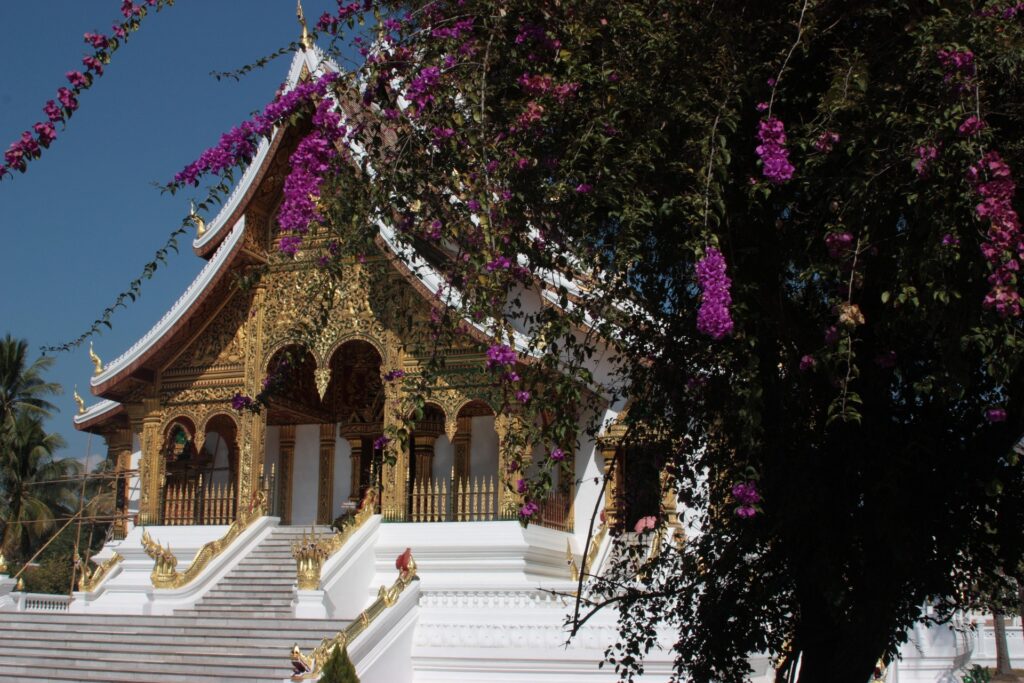
Laos stands apart as one of Asia’s most quietly preserved destinations, where limited development has allowed everyday life to remain largely unchanged. Tourism has yet to reshape local rhythms, and the pace of the Mekong River continues to guide how days unfold. Time here is measured by water and daylight rather than schedules, creating an atmosphere that feels untouched by modern urgency.
How to get there:
Arrive via Vientiane or travel overland from Thailand by bus. In the north, Luang Prabang serves as the heart of slow travel. River journeys along the Mekong link towns naturally—stay near the river, travel downstream, and allow the current to set your pace.